9 hr
Pinnacles Desert Sunset & Stargazing Tour with Dinner
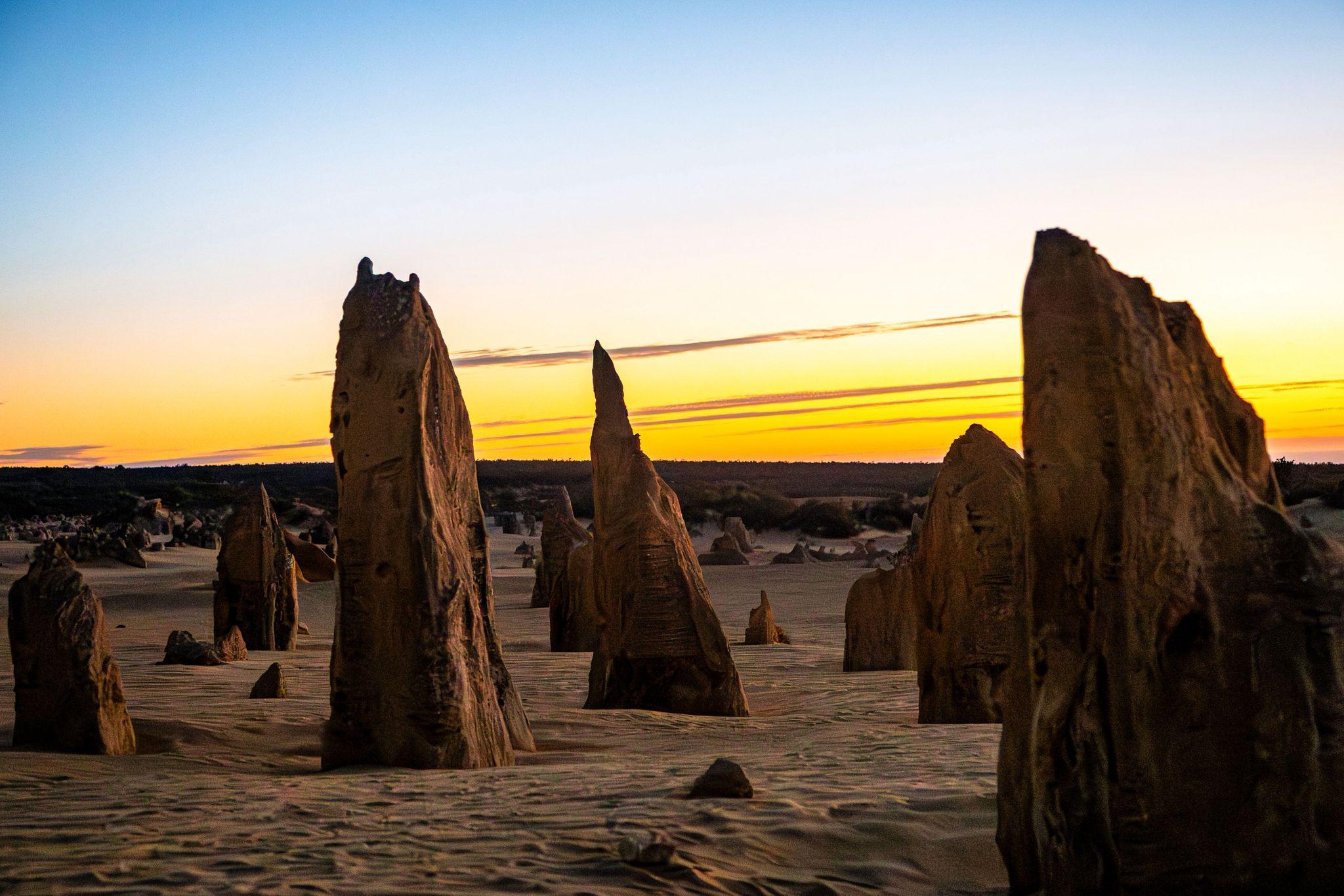
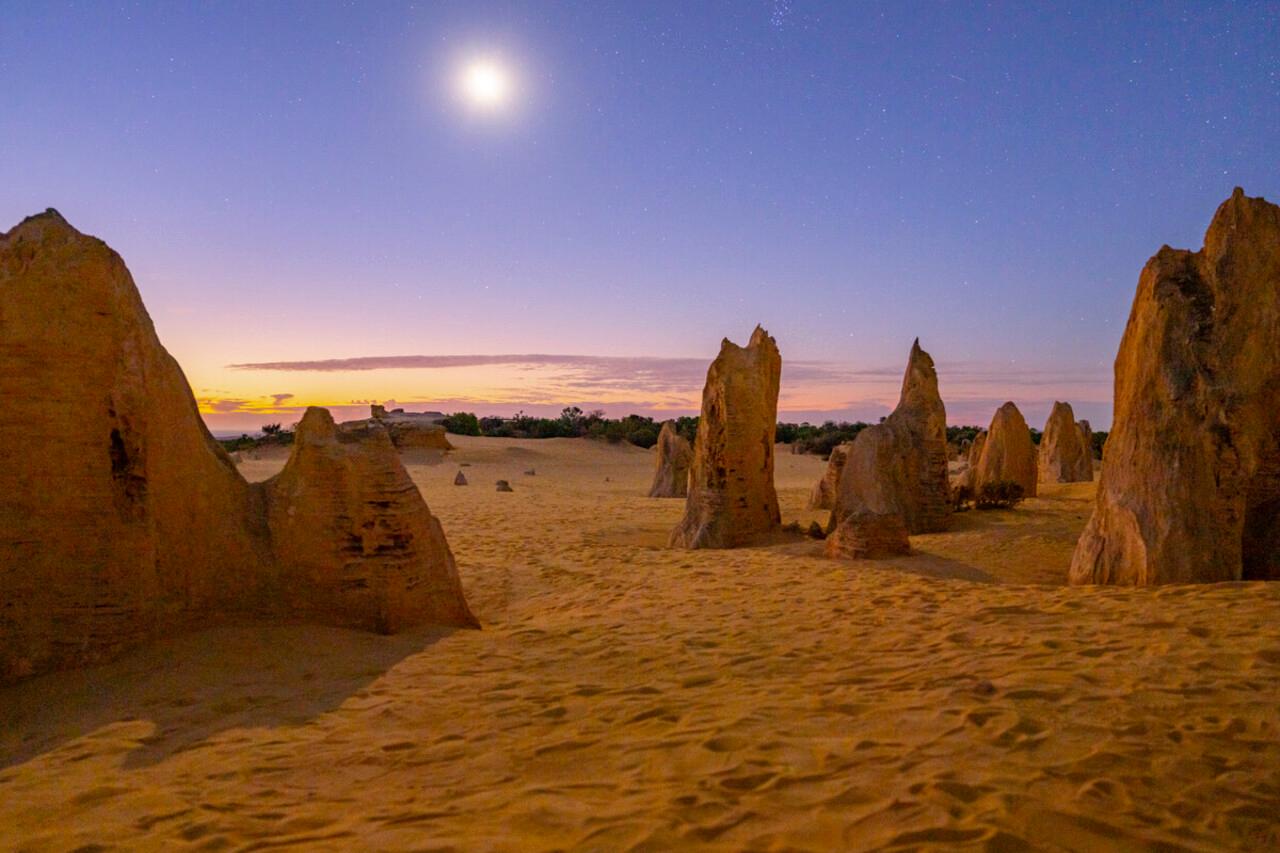
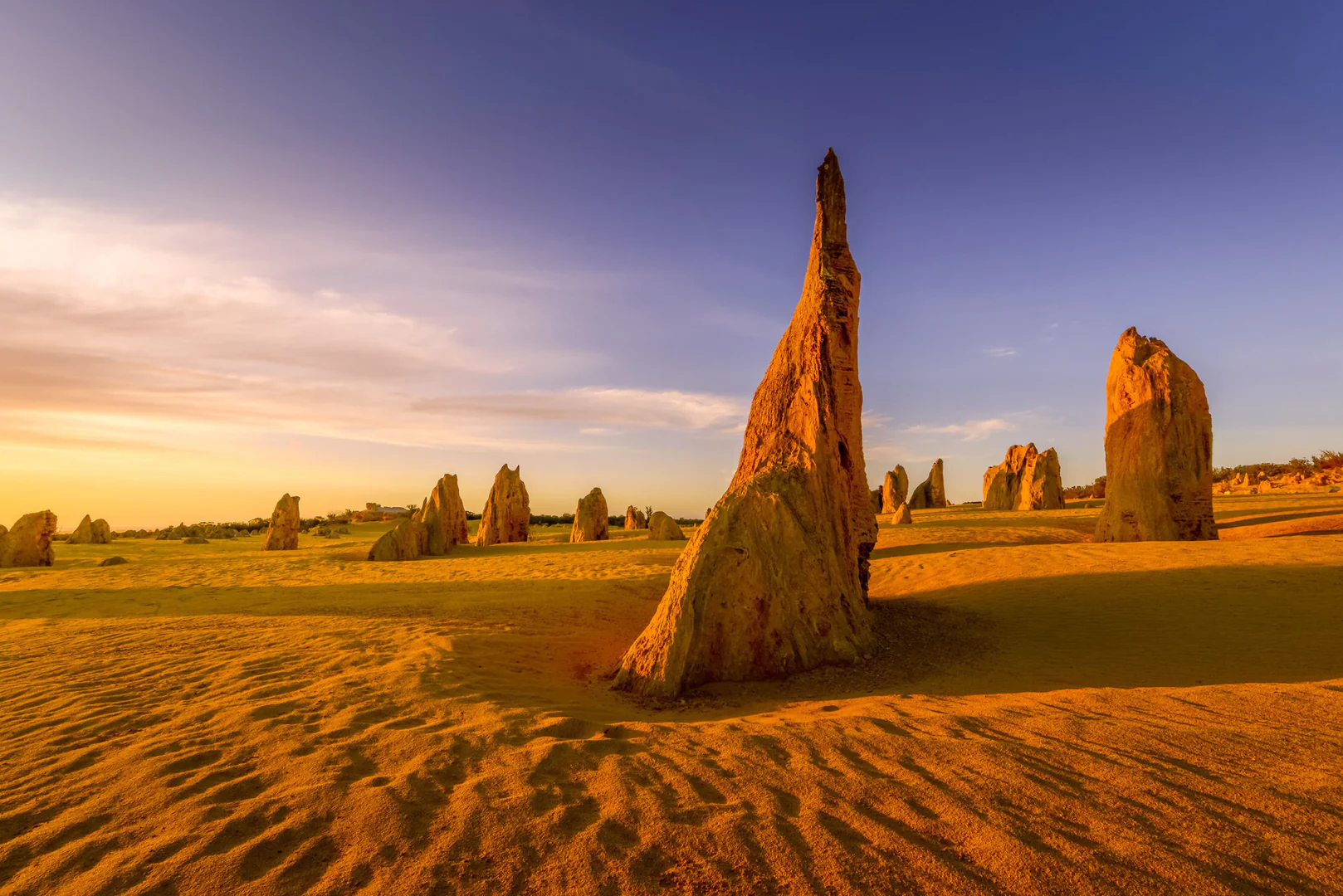
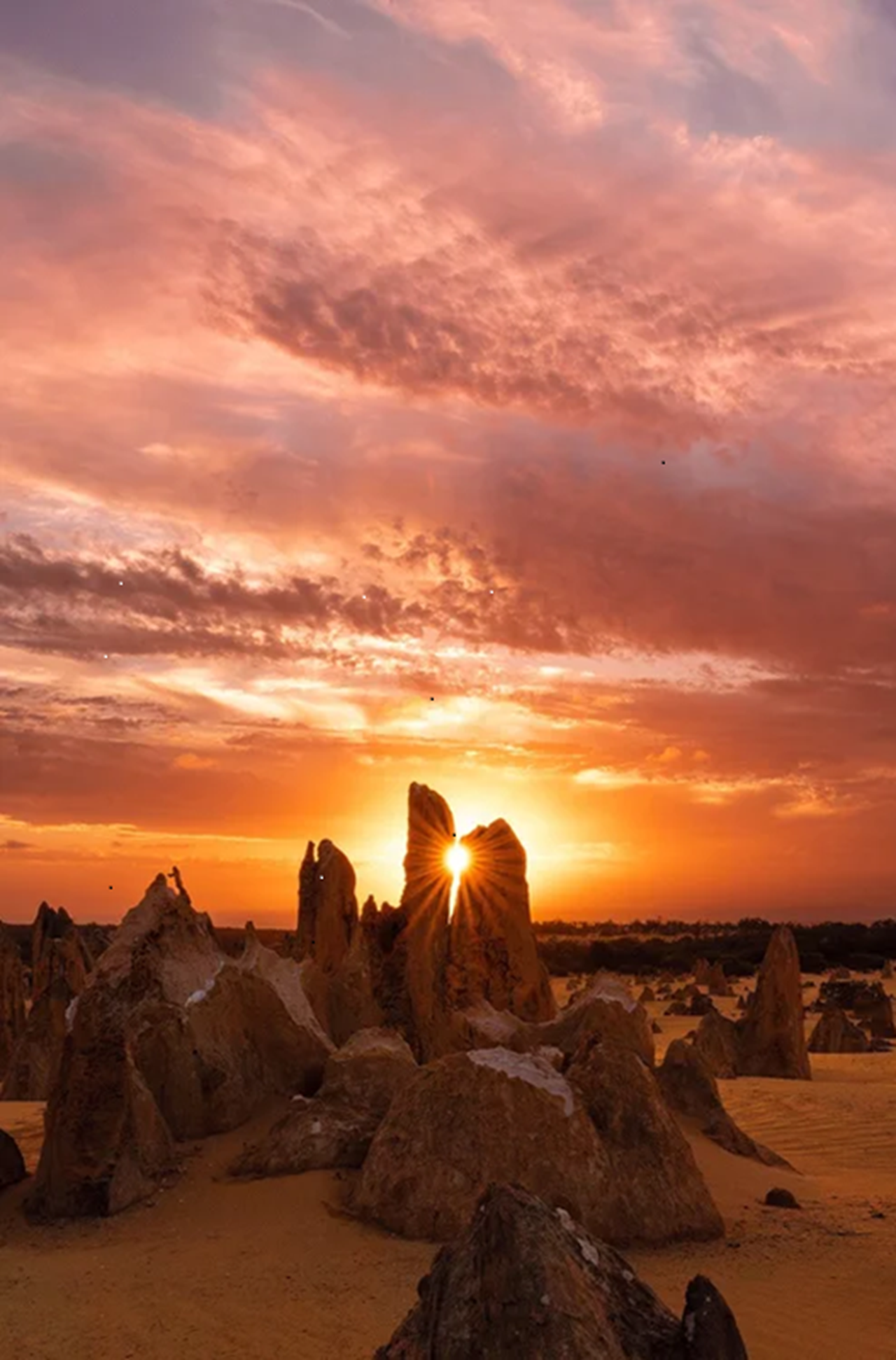
Watch the sun set over WA's surreal limestone desert, then dine and stargaze under pristine dark skies.
Reserve
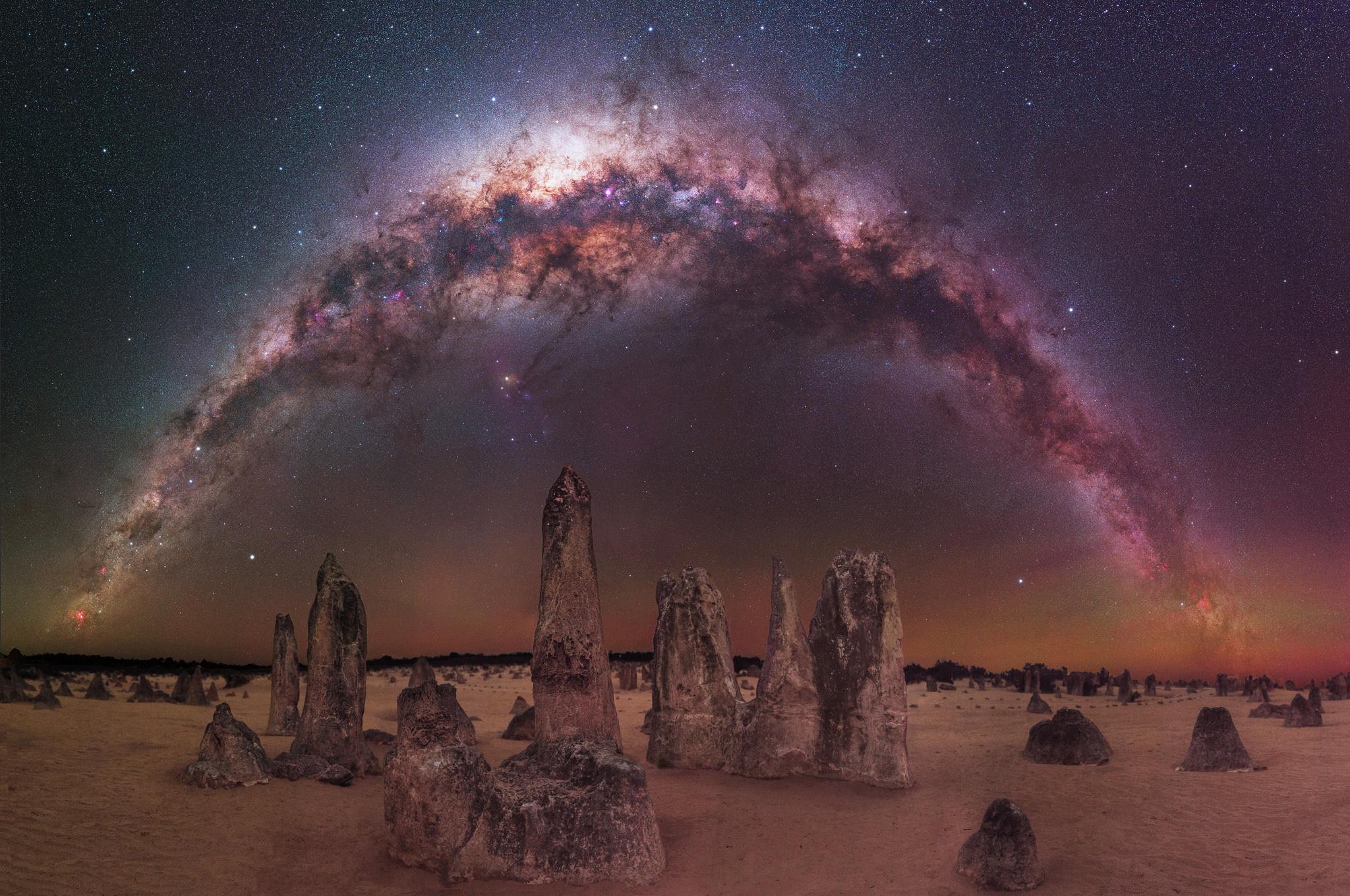
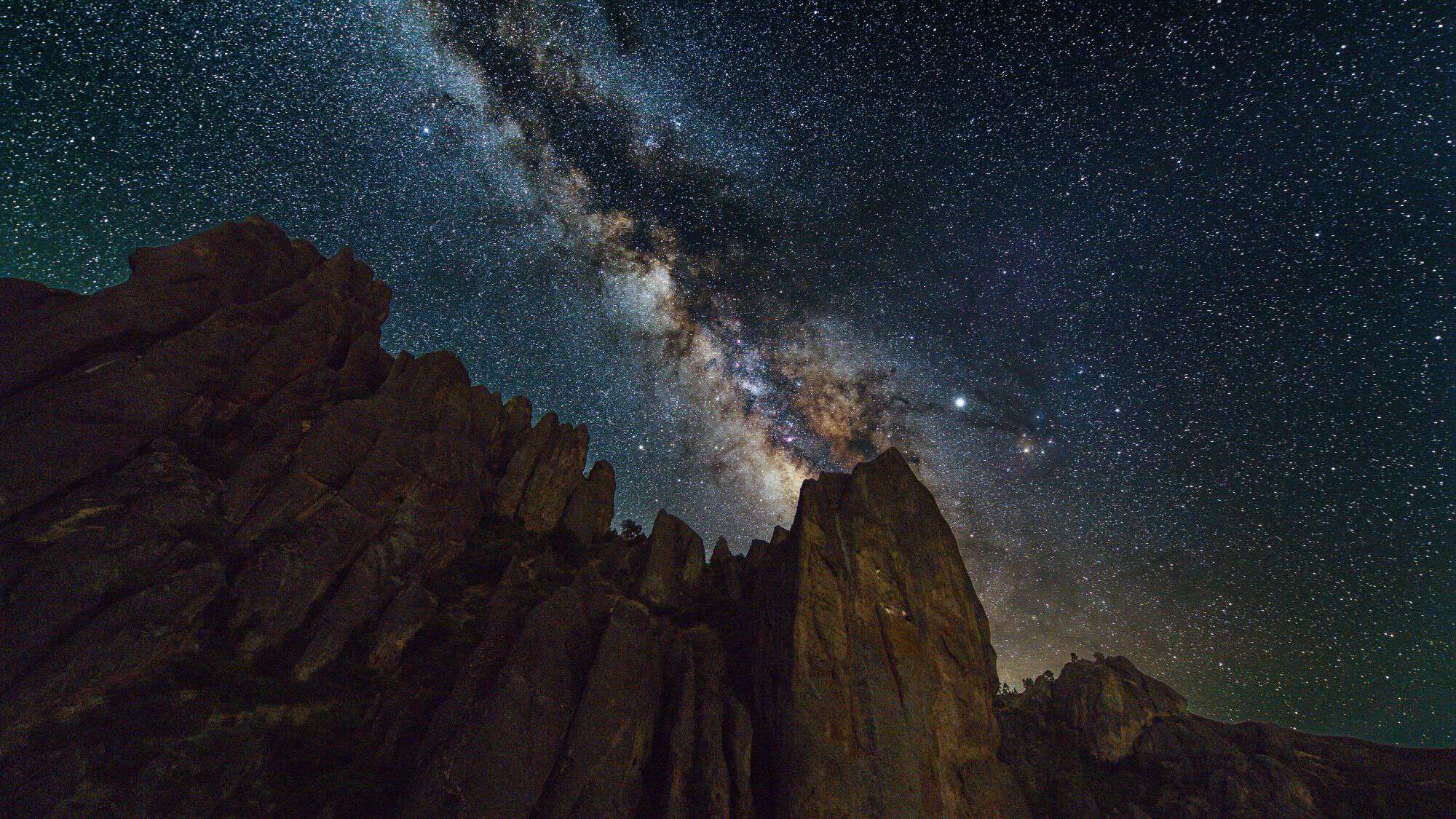
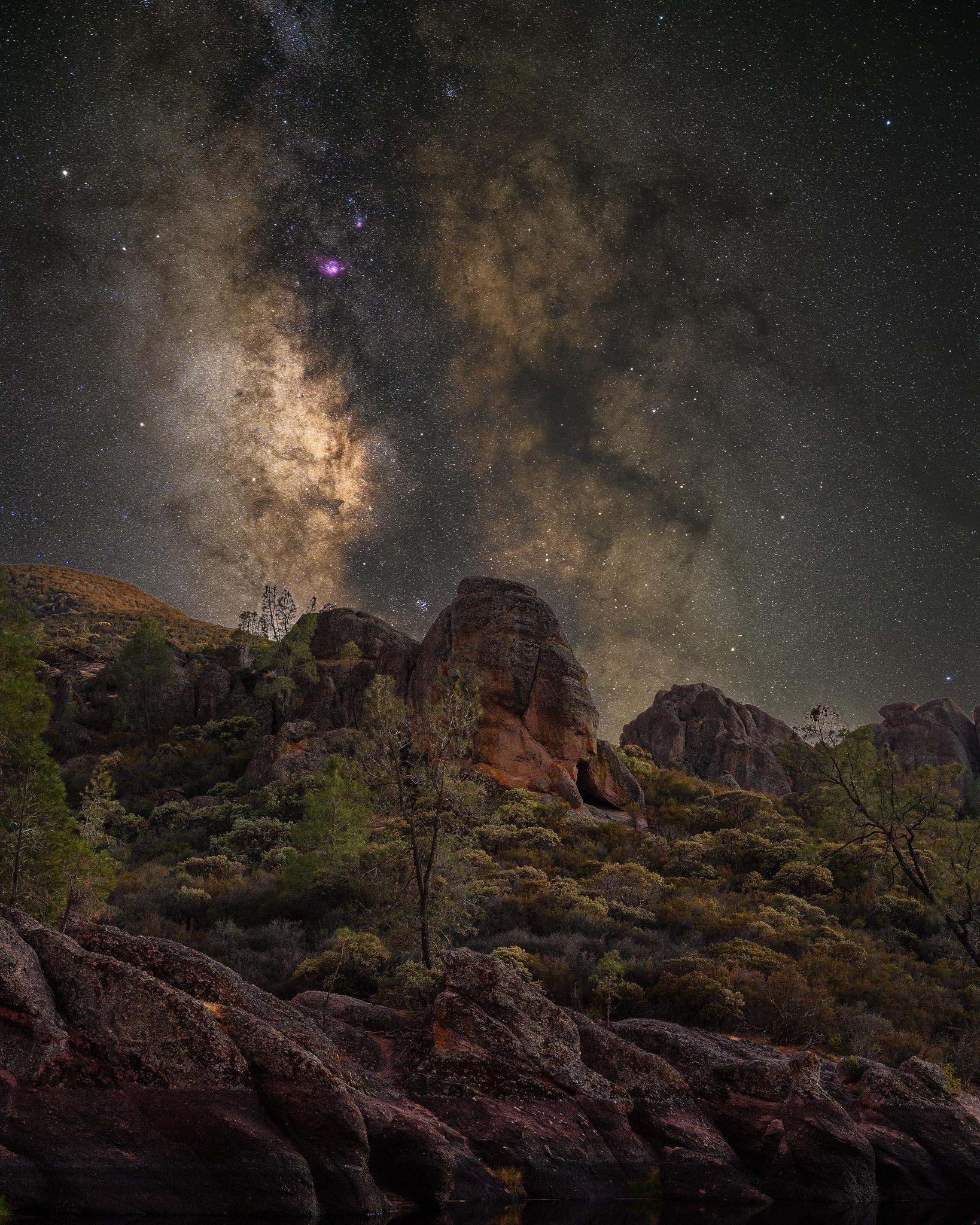
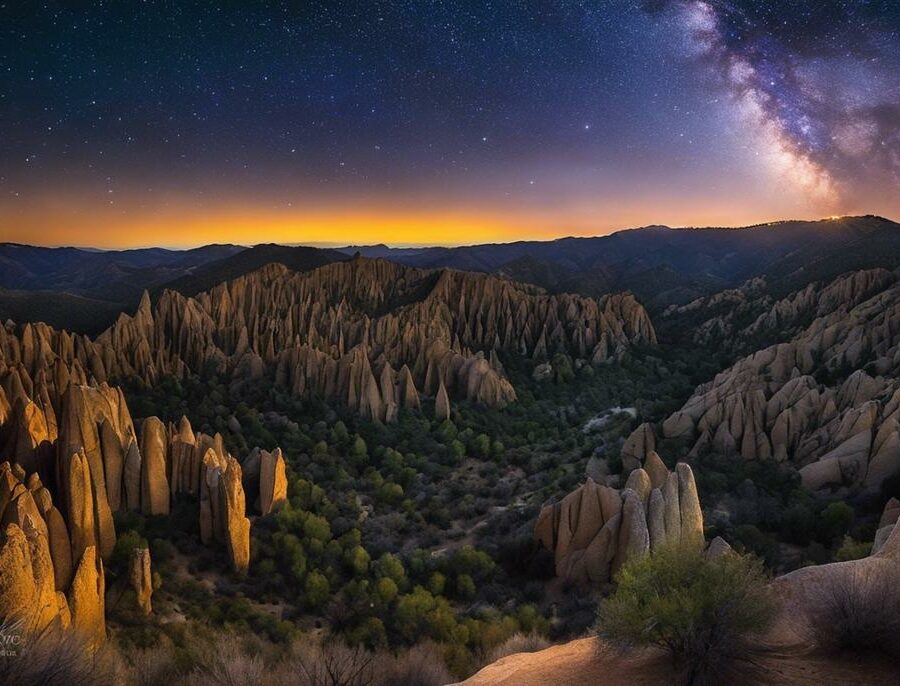
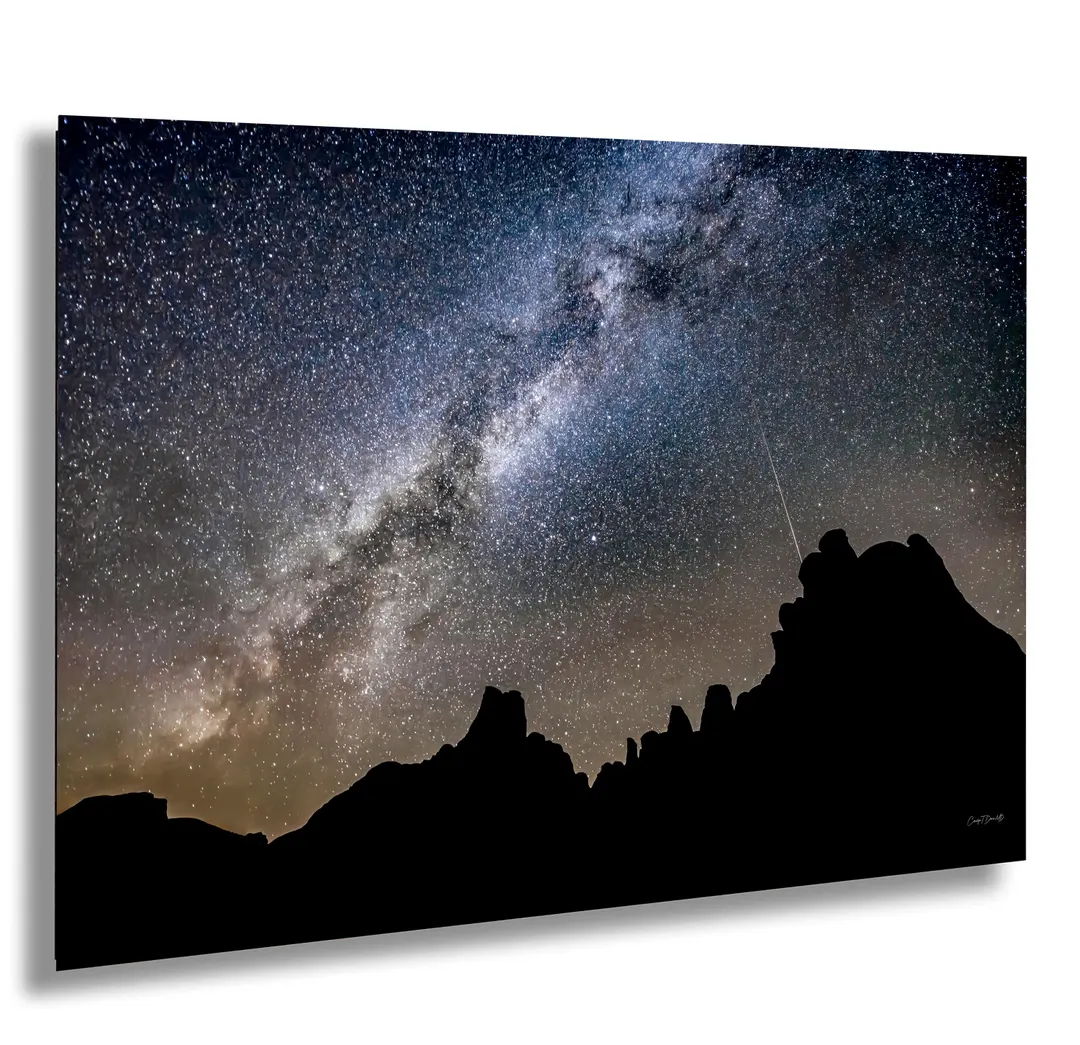
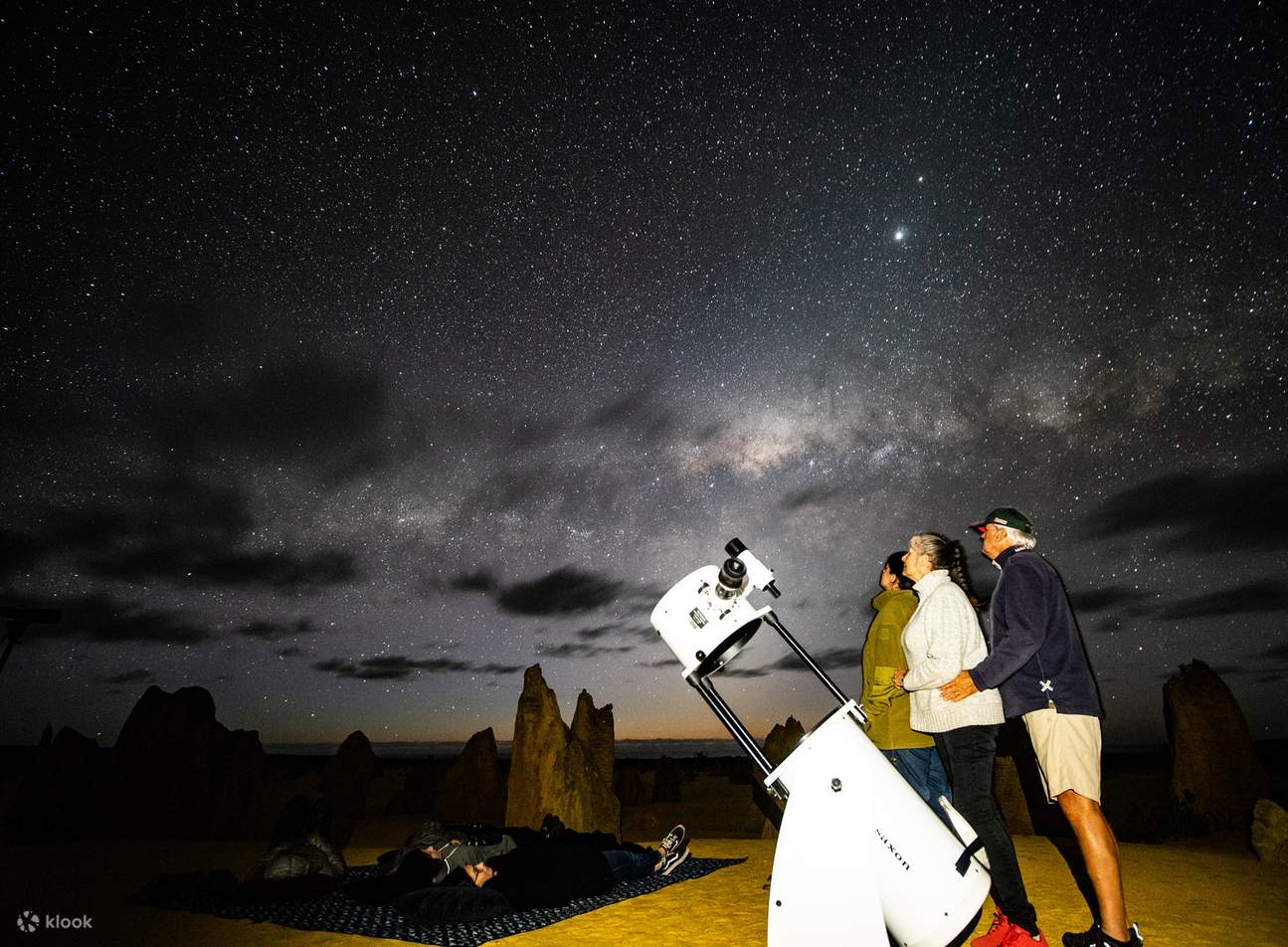
Past the rock spires after dusk, the Milky Way unspools overhead.
Hand-picked by our editors — only the best 7 night-sky experiences from 240 reviewed.
Verified partners for Pinnacles Stargazing tours, free cancellation where available, and instant confirmation on every booking.
9 hr
Watch the sun set over WA's surreal limestone desert, then dine and stargaze under pristine dark skies.
Reserve
9 hr
Full-day WA escape: coastal lookouts, desert spires at golden hour, dinner and stargazing under dark skies.
Reserve
9 hr 30 min
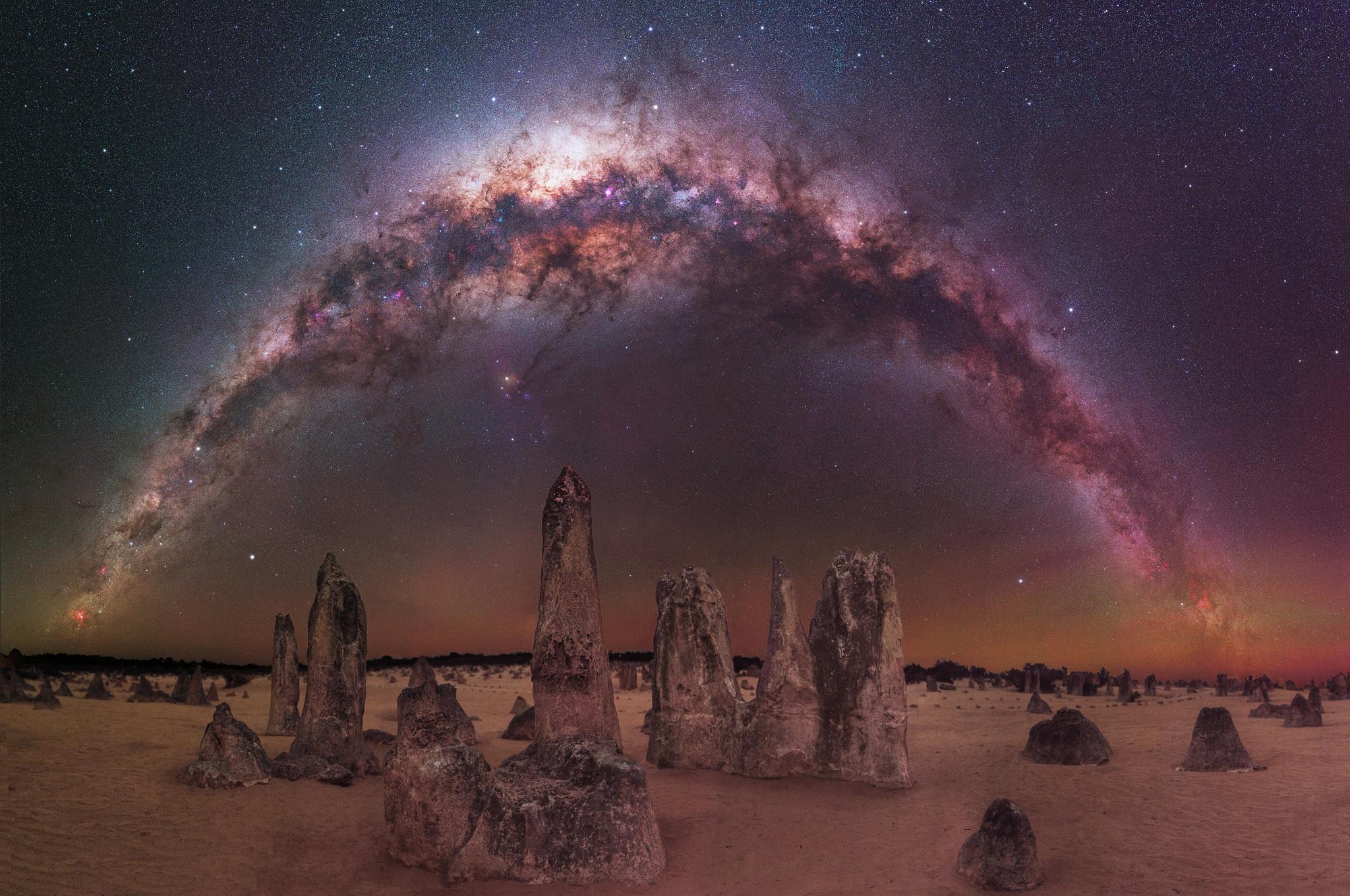
Sandboard the Lancelin dunes, dine under a desert sunset, and stargaze among ancient Pinnacles formations.
Reserve
10 hr
Private sunset picnic among the Pinnacles with fresh lobster, premium drinks & Milky Way stargazing.
ReservePrices from verified partners. Availability updates in real time at checkout. Free cancellation policies apply where shown.
The volcanic spires at Pinnacles rose from an eruption roughly 23 million years ago, then drifted 195 miles north along the San Andreas Fault to their present site near Paicines.
Pinnacles stargazing draws observers to one of the darkest skies within reach of the Bay Area, where minimal light pollution lets the Milky Way read clearly to the naked eye.
Designated a national park in 2013 after a century as a national monument, the reserve guards talus caves, chaparral, and the reintroduced California condor. Its remote position matters today: a pinnacles sunset stargazing tour, a pinnacles desert stargazing walk, or a guided pinnacles sunset tour each frames the High Peaks against constellations rarely visible from the coast. For many, an evening of pinnacles stargazing is the truer reason to come.
"Twenty-three million years and 195 miles of fault drift placed these spires beneath some of California's darkest skies."
A step-by-step walkthrough of Pinnacles Stargazing tickets — what you'll see, how long each stage takes, and the details that matter.
You enter through the East Entrance off Highway 25, paying the $30 vehicle fee that stays valid seven days. You arrive late, ideally between 21:00 and 23:59, when the gate stays open and the parking lots empty out. You let your eyes adjust for twenty minutes, killing every screen and headlamp.
You follow the flat Bench Trail away from the lots, then pause where the High Peaks cut a black silhouette against the stars. Overhead, a pinnacles stargazing tour group might be tracing Scorpius low in the south. You count meteors, listen for owls in the chaparral, and stay until the cold drives you back. A pinnacles desert stargazing night rewards patience over haste.
The landmarks, rooms, and views travelers on Pinnacles Stargazing tours remember — all visible on a single visit.
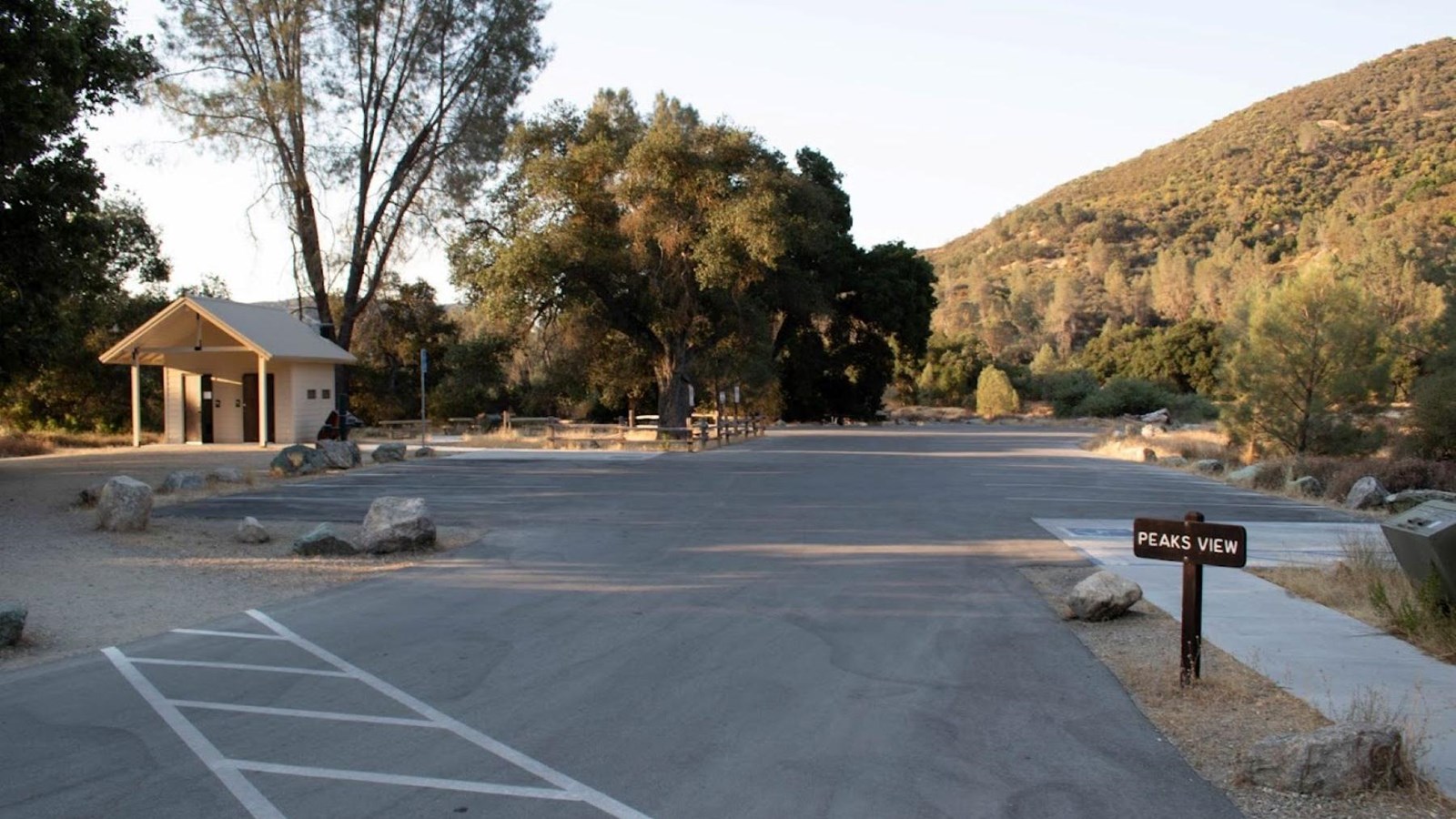
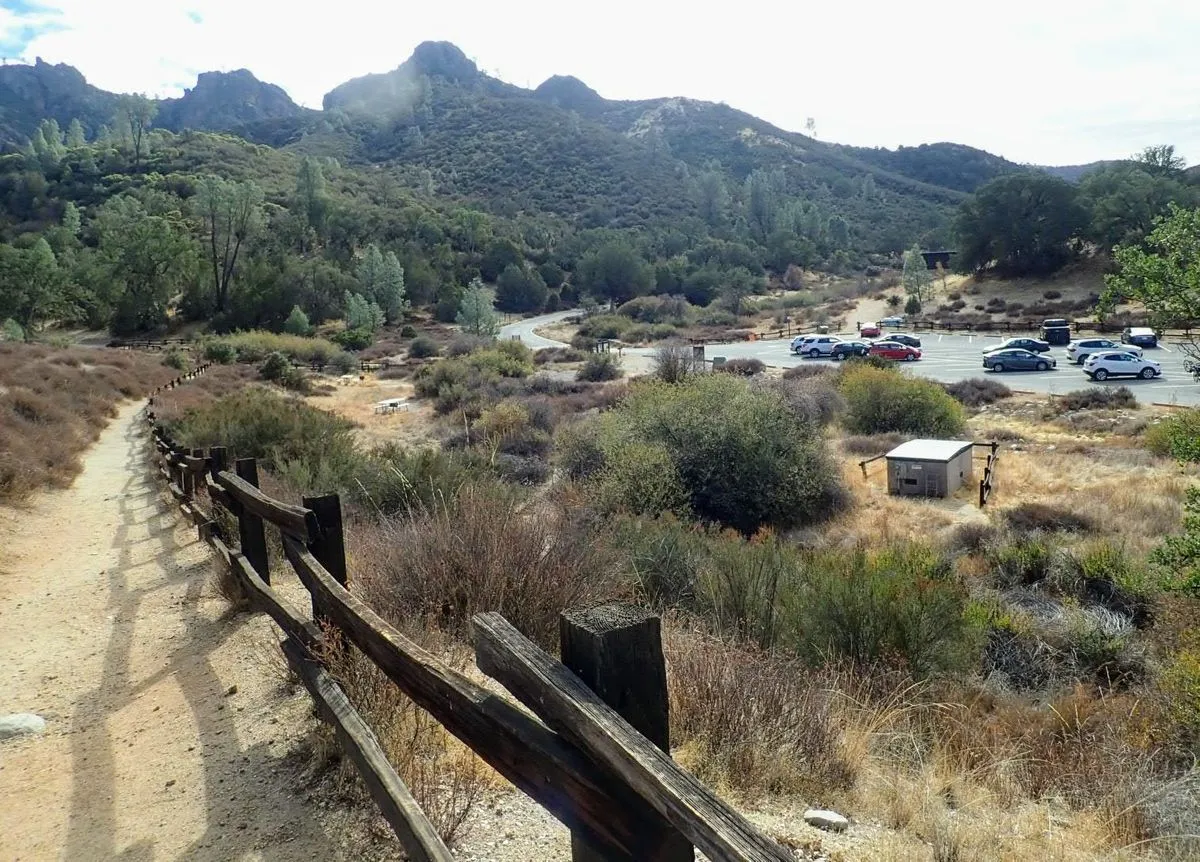
A flat, open east-side lot rated Bortle 2 looking south — one of the darkest accessible stargazing sites in Central California — set against a silhouette of the volcanic High Peaks. NPS specifically lists it as a primary pinnacles stargazing location.
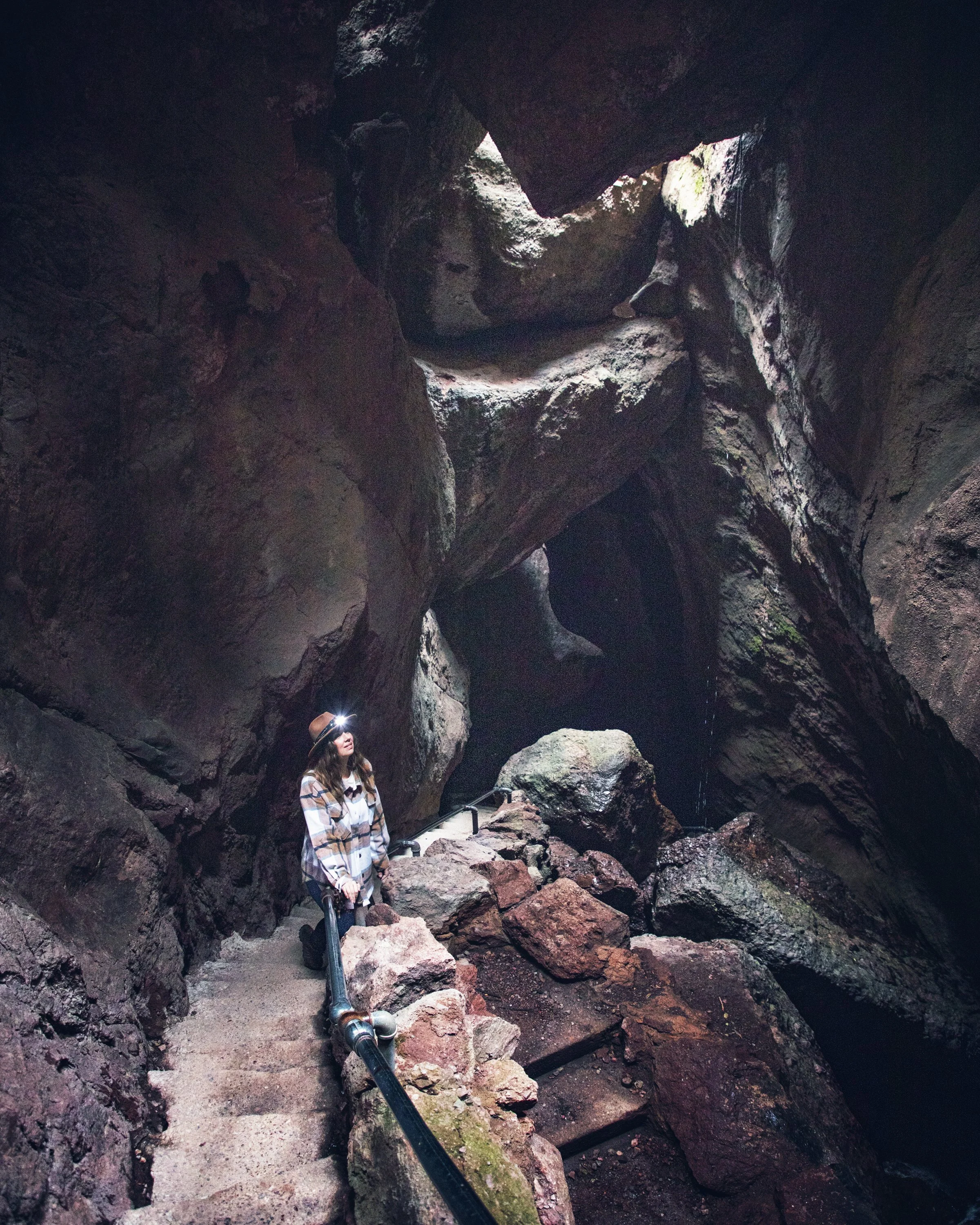
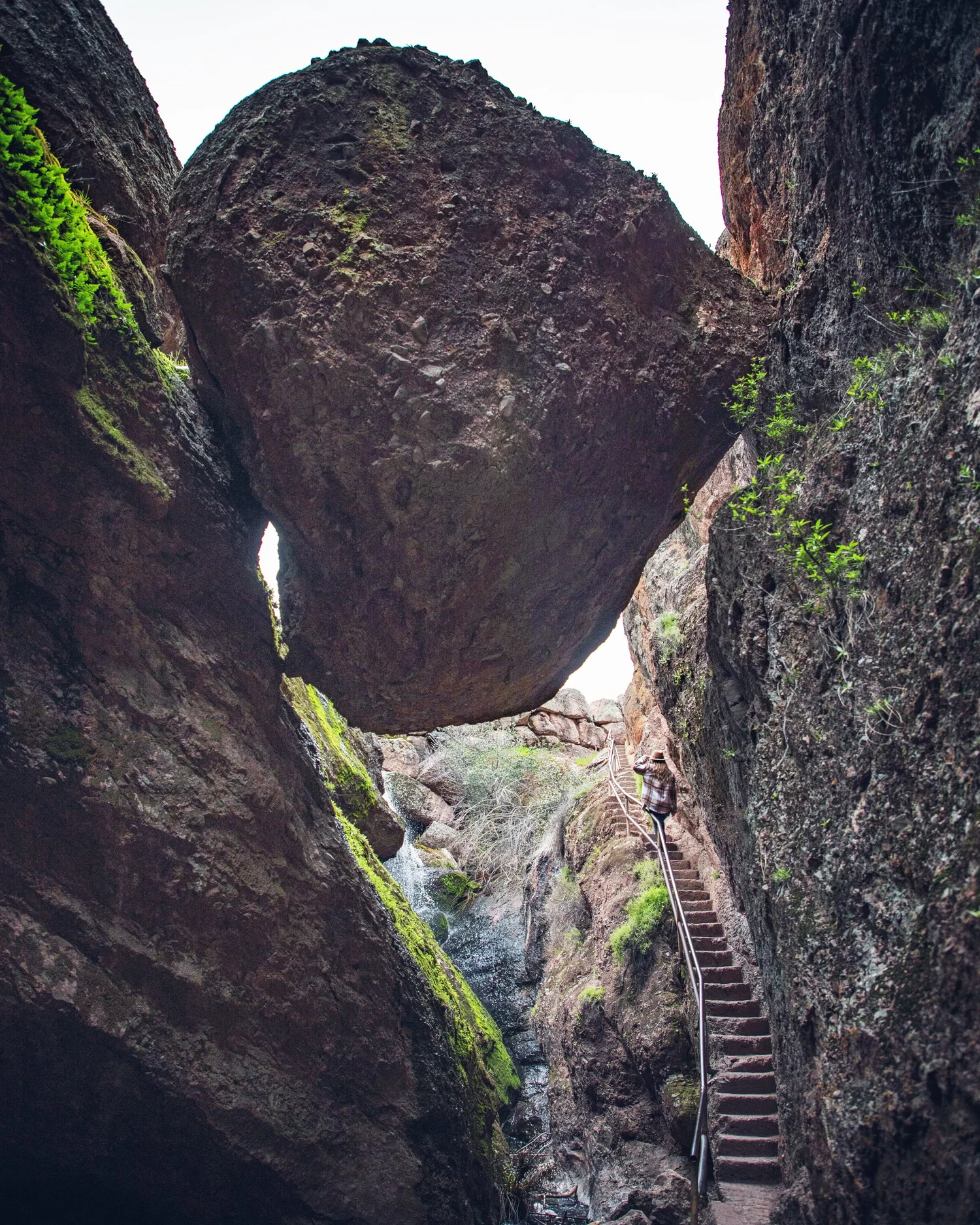
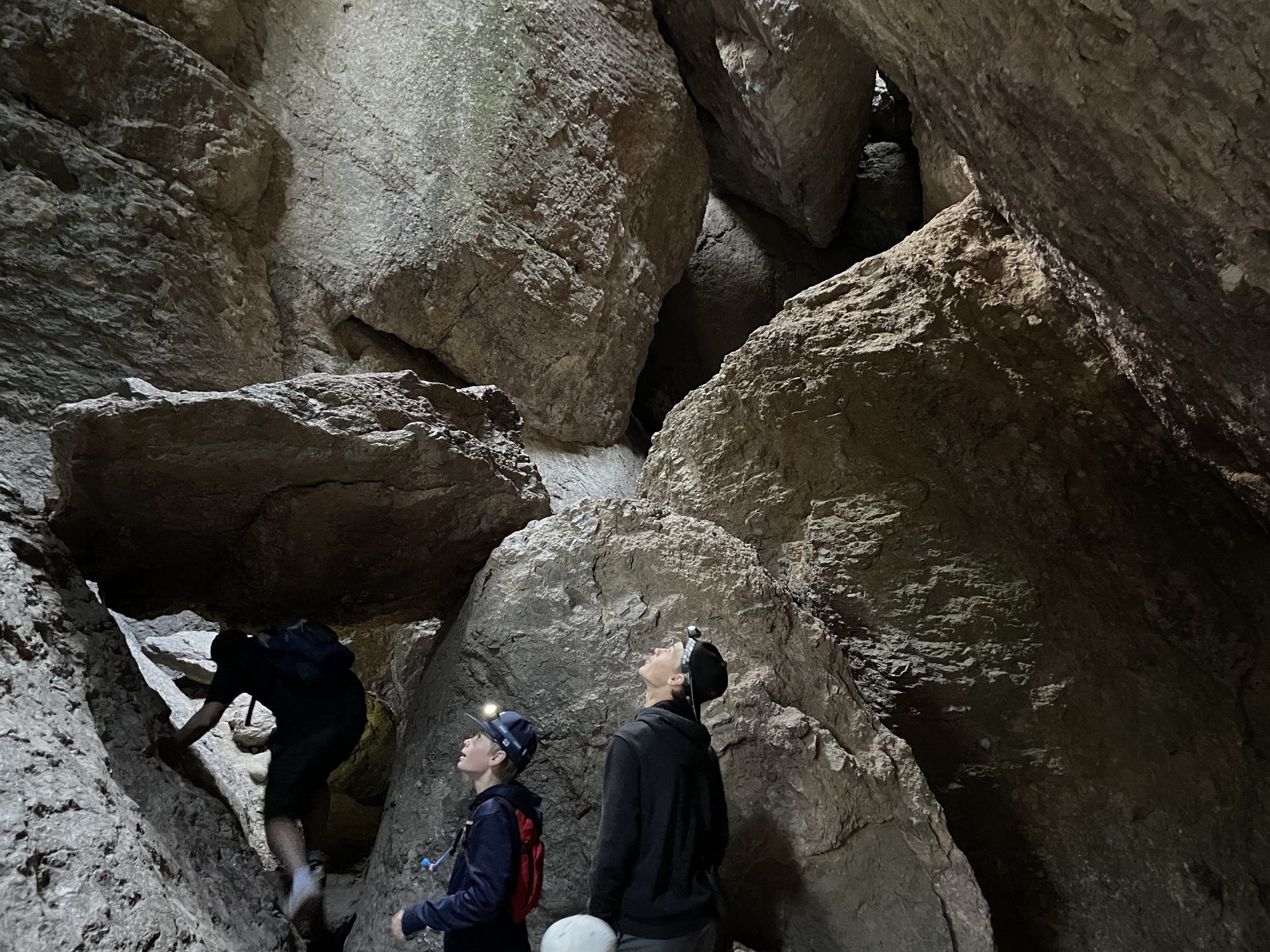
A rare talus cave system formed not by water dissolution but by massive boulders wedged into a steep volcanic canyon approximately 23 million years ago; the dark winding passages shelter multiple bat species whose maternity season closes sections of the cave mid-May through mid-July.
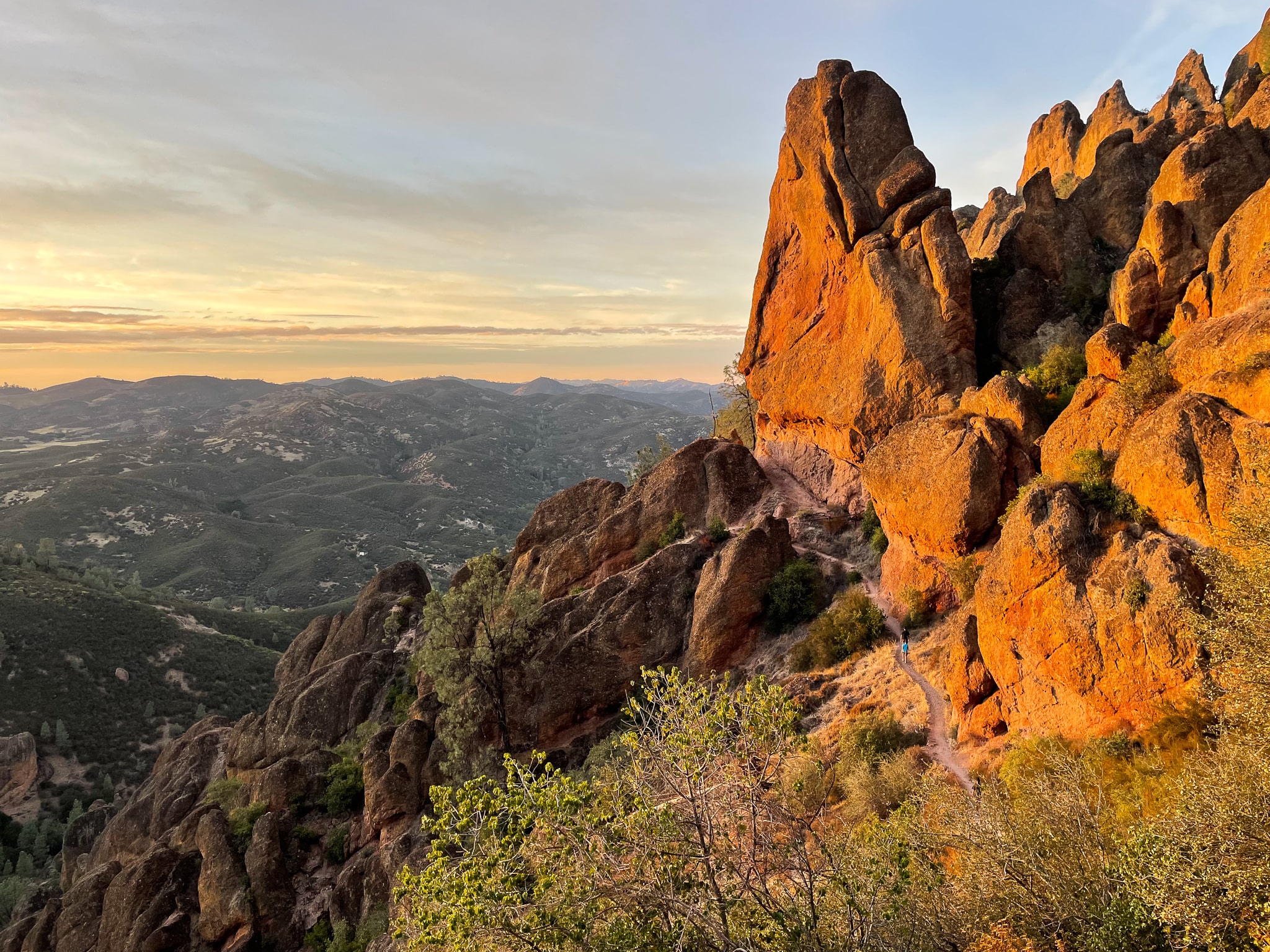
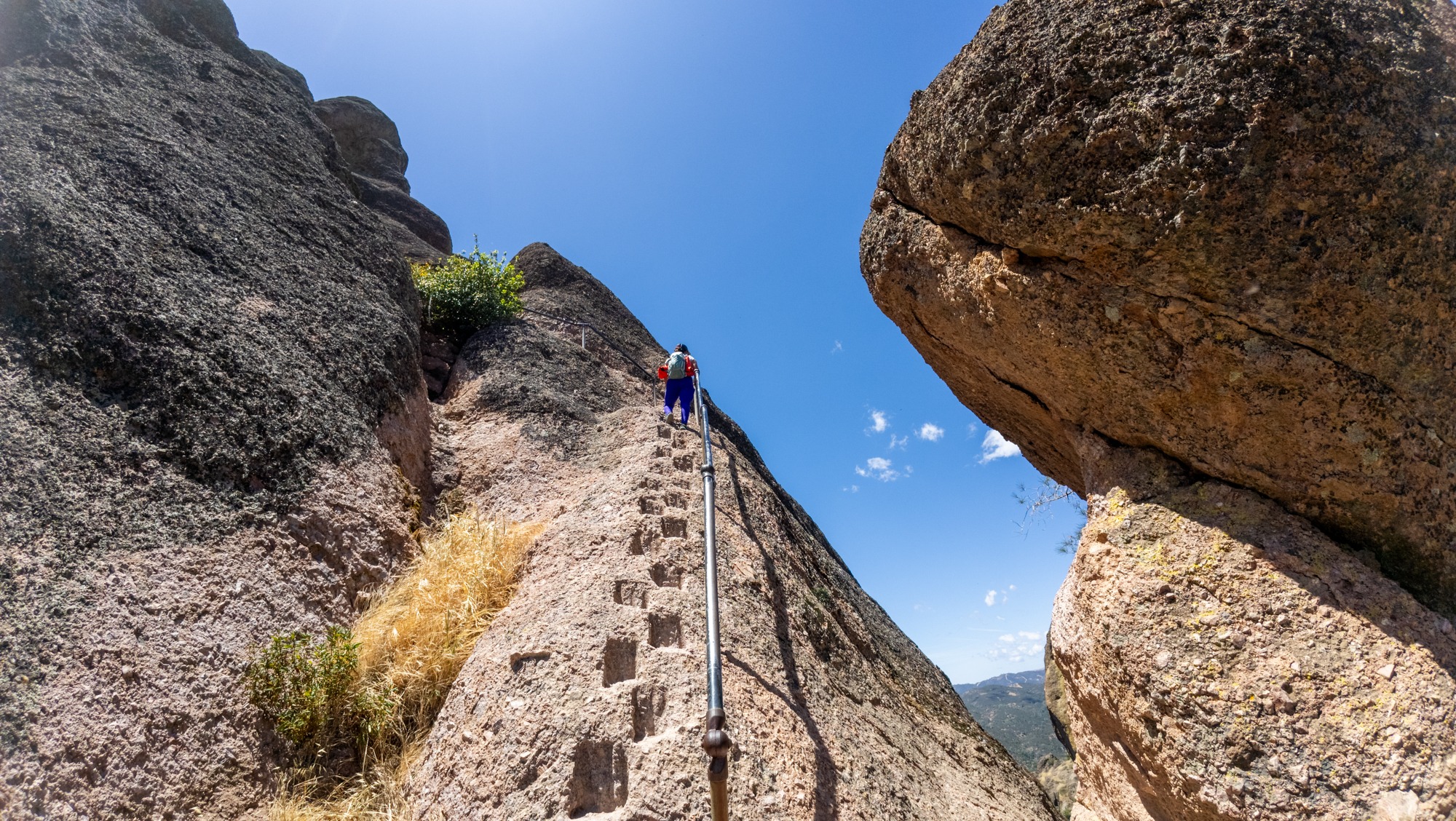
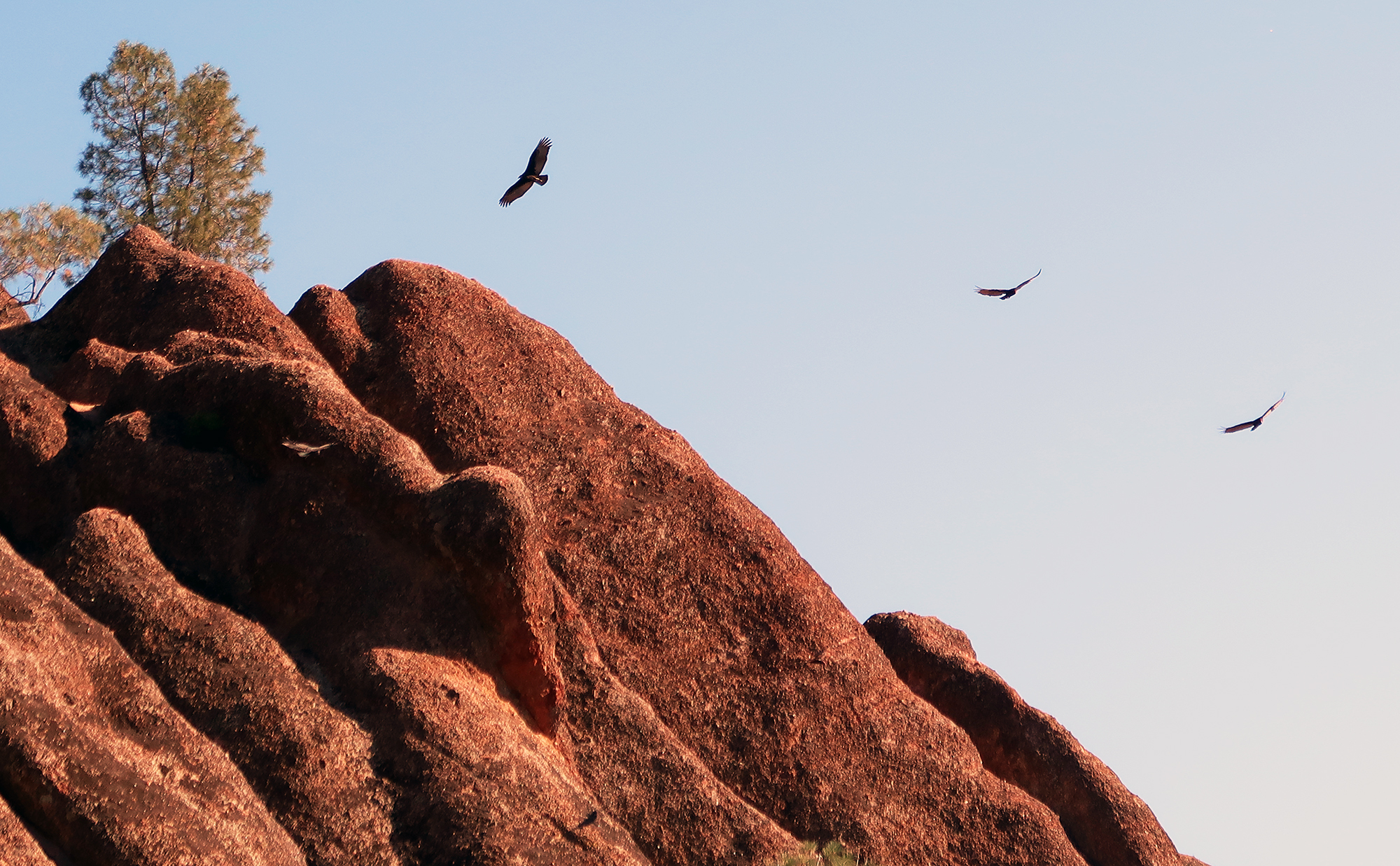
A moderate-to-strenuous loop threading through reddish-orange volcanic rhyolite pinnacles, with NPS-carved stone stairways and handrails bolted directly into cliff faces; the highest viewpoints are the park's best location for spotting California condors — the largest North American bird, with a wingspan reaching 9.5 feet.
The west side's primary talus cave, formed by the same rockfall geology as Bear Gulch Cave, running beneath house-sized boulders in Balconies Canyon; unlike Bear Gulch, it remains open year-round and requires a headlamp throughout its length.
A flat, open heritage ranch area on the east side of the park — one of the NPS's recommended night-sky viewing zones — where unobstructed sightlines, minimal tree cover, and low surrounding terrain create near-ideal conditions for dark-sky observation and Milky Way photography.
Every Pinnacles Stargazing tour side-by-side — duration, what's included, how you redeem.
| Experience | From | Duration | Transfers | Pickup | Lunch | Tax inc. | Free cancel. | Price | |
|---|---|---|---|---|---|---|---|---|---|
|
Skip-the-line Most popular
Pinnacles Desert Sunset & Stargazing Tour with Dinner
|
— | 9 hr | — | — | — | — | ✓ | €152 | Book → |
|
Premium Combo
Pinnacles Sunset & Stargazing Tour from Perth with Dinner
|
Perth | 9 hr | — | — | — | — | ✓ | €121 | Book → |
|
Standard Entry
Pinnacles Desert Sunset BBQ, Stargazing & Sandboarding from Perth
|
Perth | 9 hr 30 min | — | — | — | — | ✓ | €134 | Book → |
|
Luxury / Private
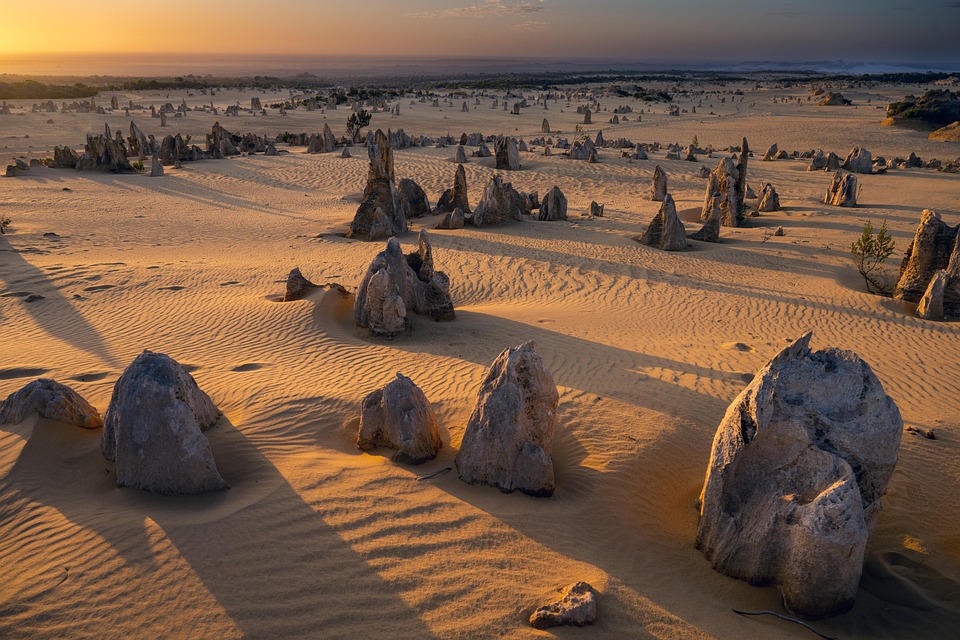
Pinnacles Sunset & Stargazing Private Tour with Lobster Dinner
|
— | 10 hr | — | — | — | — | ✓ | €427 | Book → |
All prices from verified partners. Availability and exact terms confirmed at checkout.
Choose your ticket, select your date, and reserve in under two minutes. Secure checkout handled by our verified partner.
Instant confirmation by email, with a mobile voucher you can save offline. No printing, no queuing at a collection desk.
Arrive at the entrance, show your voucher on your phone, and walk in. Most tickets include priority or skip-the-line access.
Practical details for Pinnacles Stargazing tickets straight from our verified partners — hours, access, rules, and how to get there.
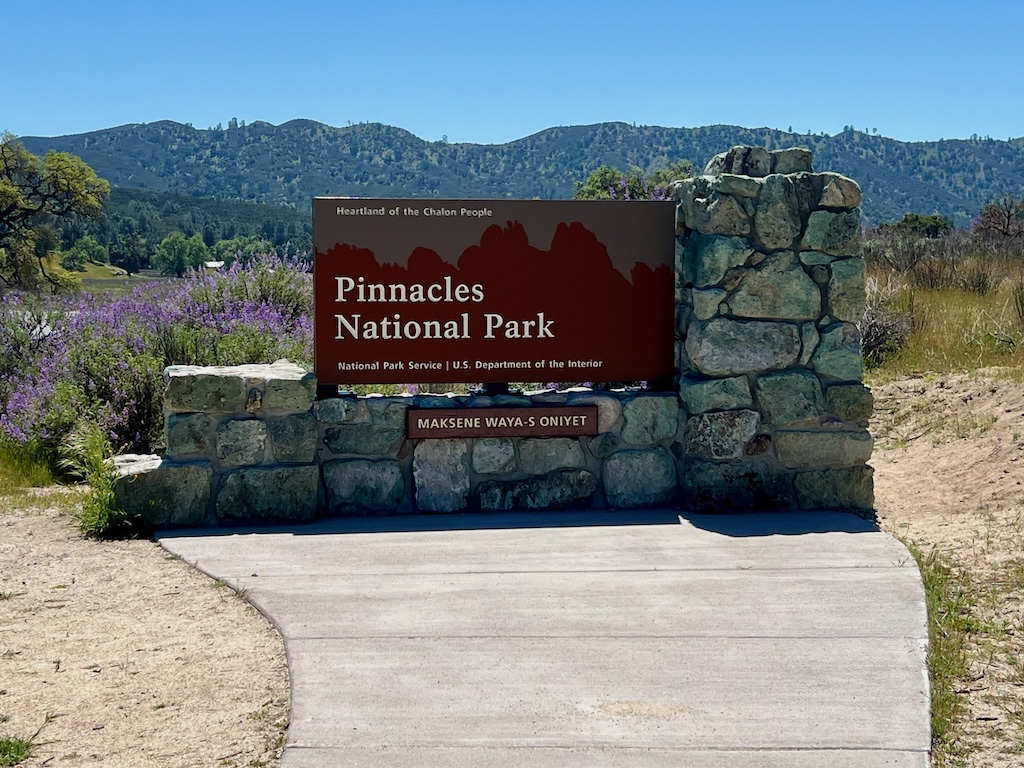
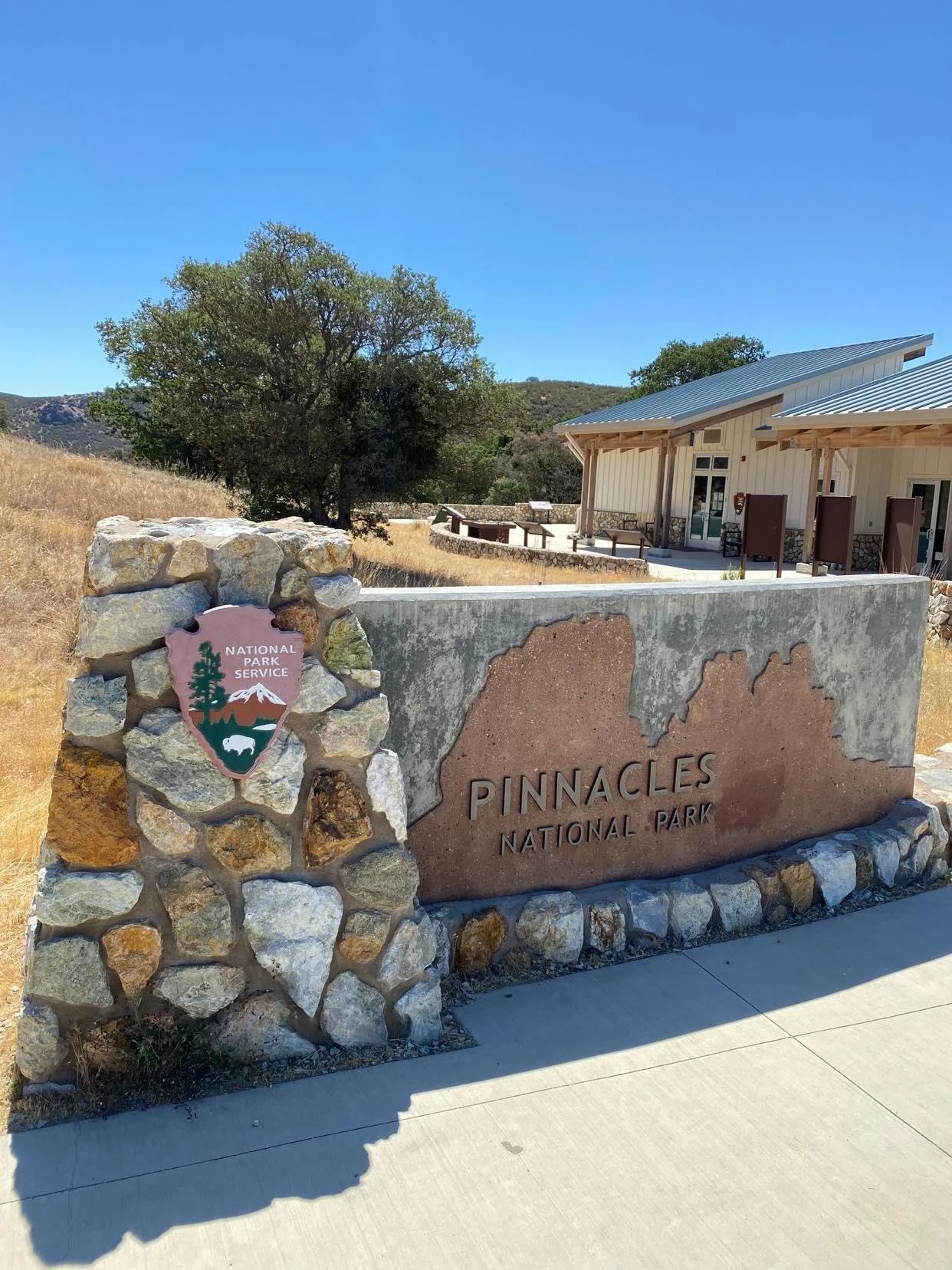
5000 East Entrance Road, Paicines, CA 95043
Main orientation point on the east side; restrooms, trail maps, and cave status boards available
Open in Google MapsBest and effectively only practical option. From the east entrance, take US-101 S to CA-25 S through Hollister, then turn west on CA-146. From the west entrance, take US-101 to Soledad and east on CA-146 (one-lane road).
No scheduled rideshare service operates within the park; pre-arrange pickup from Hollister or King City for the final leg. Limited availability after dark.
Amtrak Coast Starlight serves Salinas; MST/Monterey-Salinas Transit bus 23 runs to Soledad (west side only). No transit serves the east entrance directly.
Cycling to the east entrance via CA-25 is possible for experienced cyclists but the route is rural with no shoulder in sections. Bikes pay the $15 per-person entrance fee.
Pinnacles stargazing happens at night in an open high-desert environment, so temperatures can drop sharply after sunset — sometimes 20°F or more below the daytime high. Wear layered, warm clothing including a wind-resistant outer shell, and bring a hat and gloves for winter or spring sessions. Closed-toe shoes with grip are strongly recommended as parking-area surfaces can be uneven.
There are no bag checks or security screenings at Pinnacles National Park. Visitors are expected to leave natural objects undisturbed — rocks, plants, and wildlife may not be collected or removed. Keep food and scented items stored securely in vehicles or bear-resistant containers to avoid attracting wildlife at night.
Photography and astrophotography are permitted throughout the park for personal, non-commercial use. Red-filtered lights are required near other stargazers to protect night vision; white flashlights and phone screens will disrupt both your own dark adaptation and that of fellow observers. Tripods are allowed in all open parking areas and picnic zones, making Peaks View Parking Area and Bacon Ranch among the most popular astrophotography locations.
The Peaks View Parking Area and Bacon Ranch area on the east side offer paved or flat gravel surfaces suitable for wheelchair users and visitors with limited mobility, making them the recommended zones for accessible night-sky viewing at Pinnacles. The Bear Gulch Nature Center and East Pinnacles Visitor Center have accessible restrooms. Most hiking trails involve uneven volcanic rock surfaces and are not wheelchair accessible; the Bench Trail near the campground is the flattest option.
Cell coverage inside Pinnacles National Park is extremely limited and unreliable, particularly on the east side after dark. Download offline maps and NPS trail information before arrival. Phone screens emit bright white light that destroys night vision; enable a red-light or night mode app if you need your phone while stargazing, or keep it stored until necessary.
Pinnacles stargazing is open to all ages; minors must be accompanied by a parent or guardian at all times, particularly after dark. The Peaks View Picnic Area is an excellent family-friendly spot — flat, open, and close to parking — requiring no hiking to reach dark skies. Rangers occasionally lead public night-sky programs; check the NPS event calendar at nps.gov/pinn before your visit for scheduled telescope sessions.
There are no restaurants inside Pinnacles National Park. A small park store near the campground on the east side sells limited snacks and drinks during daytime hours; it is typically closed late at night. Visitors planning an evening or overnight stargazing session should bring all food, water, and snacks from nearby towns such as Hollister or King City before entering the park, as services are unavailable after store closing.
Pets are permitted in Pinnacles National Park only in specific areas: developed picnic areas, within 10 feet of paved roads and parking lots, within the campground boundary, and within 25 feet of structures at the Bacon Ranch historic area. Pets are not allowed on any unpaved hiking trails. During night stargazing visits, keep pets on a leash at all times — wildlife including mountain lions and coyotes are active after dark.
Pinnacles National Park is cashless at its entrance stations; pay the $30 vehicle fee by credit or debit card, or purchase in advance at recreation.gov. The east and west sides of the park are not connected by road — driving between them takes approximately 1.5 hours. Night-sky viewing is best timed around a new moon phase; check a lunar calendar before planning your pinnacles stargazing trip to maximize darkness.
5000 East Entrance Road, Paicines, CA 95043
Main orientation point on the east side; restrooms, trail maps, and cave status boards available
Get directions
Hwy 146, ~4.5 miles west of east entrance, Paicines CA
NPS-recommended flat open area for night-sky viewing; arrive before sunset to secure a space
Get directions
Pinnacles National Park West Entrance, CA-146, Soledad CA
Primary stargazing and telescope location on the west side; open until 20:00 — plan accordingly for west-side sessions
Get directionsBest time to go, insider tips, nearby landmarks, and the cancellation fine print — flip through to skim what matters to you.
How crowds, weather, and events shift across the year.
Wildflowers peak in March–April, temperatures in the 60s–70s°F, talus caves open, and Milky Way season begins in February — ideal combination for both daytime hiking and pinnacles stargazing.
Crowds thin significantly after Labor Day, temperatures moderate after summer extremes, and Milky Way remains visible through October providing excellent dark-sky conditions.
Lowest visitor counts of the year and the darkest, clearest nights make this a favored season for serious night-sky observation and astrophotography at Pinnacles.
Daytime temperatures regularly exceed 100°F; plan all activity for early morning or after 21:00. Bear Gulch Cave may be partially closed mid-May through mid-July for bat maternity season.
Small details that turn a good visit into a great one.
A new moon phase delivers the darkest skies at Pinnacles. Check a lunar calendar before booking — even a half-moon significantly reduces the number of stars and deep-sky objects visible from the Peaks View area.
White flashlights, unfiltered headlamps, and phone screens destroy night vision in seconds. It takes 20–30 minutes to fully re-adapt to darkness. Carry a red-filtered headlamp and enable red or night mode on your phone before stepping out of your car.
Peaks View Parking Area is small and fills on summer weekends. Arrive before sunset to secure your viewing position, scout the horizon, and let your eyes adjust as astronomical twilight fades.
The east side (via CA-25 from Hollister) is open 24 hours and delivers darker skies than the west side, which closes at 20:00. Looking south from Peaks View is rated Bortle 2; north toward Hollister is Bortle 3.
Bear Gulch Cave closes mid-May through mid-July for bat maternity season. Confirm open/closed status at nps.gov/pinn/planyourvisit/cavestatus.htm before combining a cave hike with your night-sky visit.
The park store closes in the evening and there are no restaurants inside Pinnacles. Stock up in Hollister or King City before entering — Pinnacles has no petrol or food services after dark.
Non-bookable sights within a short walk — free to visit, easy to pair.
West-side talus cave formed by boulders wedged in a steep canyon; darker interior than Bear Gulch requiring a headlamp throughout.
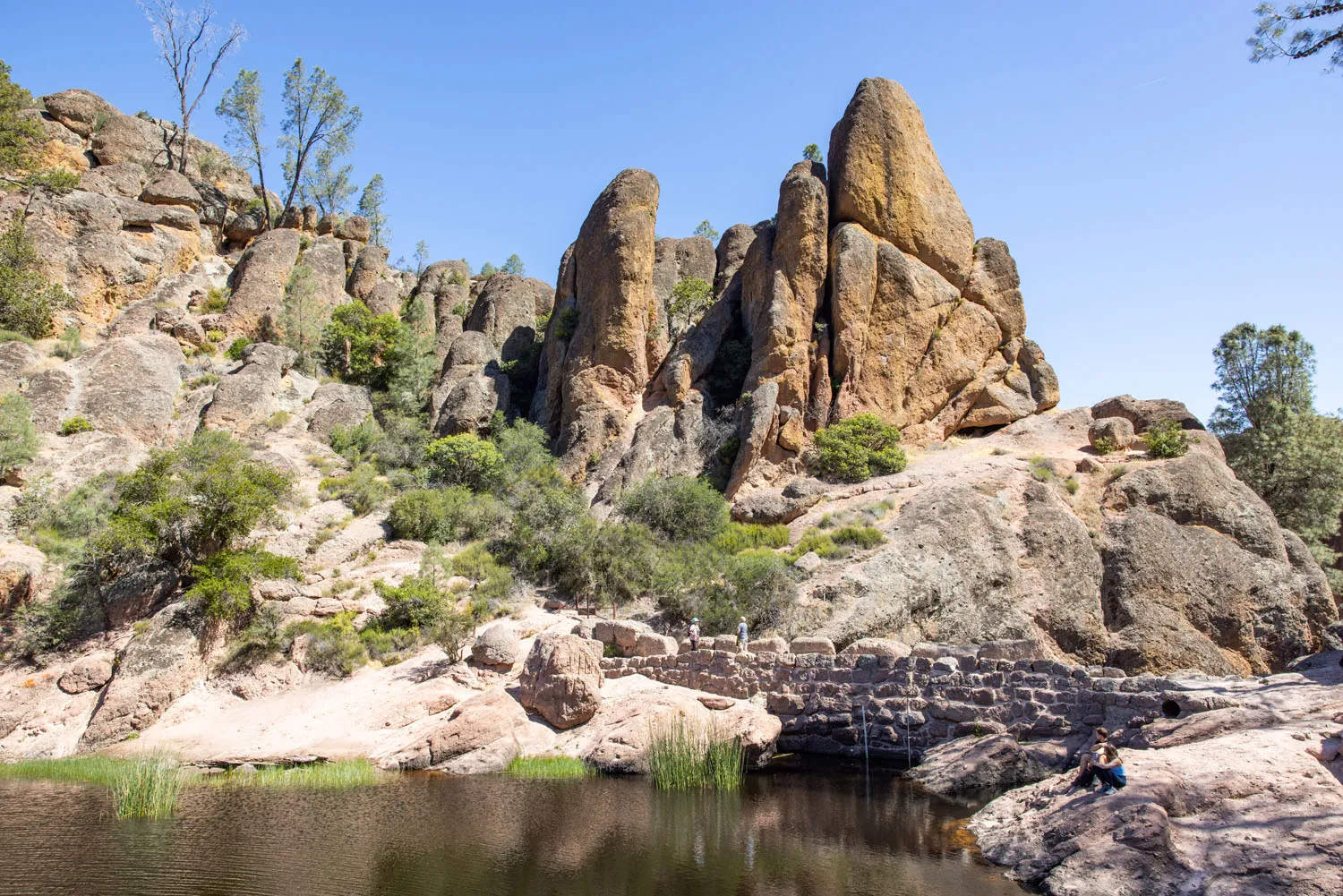
Small reservoir behind a 1935 dam set amid volcanic rock formations; a resting point on the Bear Gulch loop popular with California red-legged frogs and garter snakes.
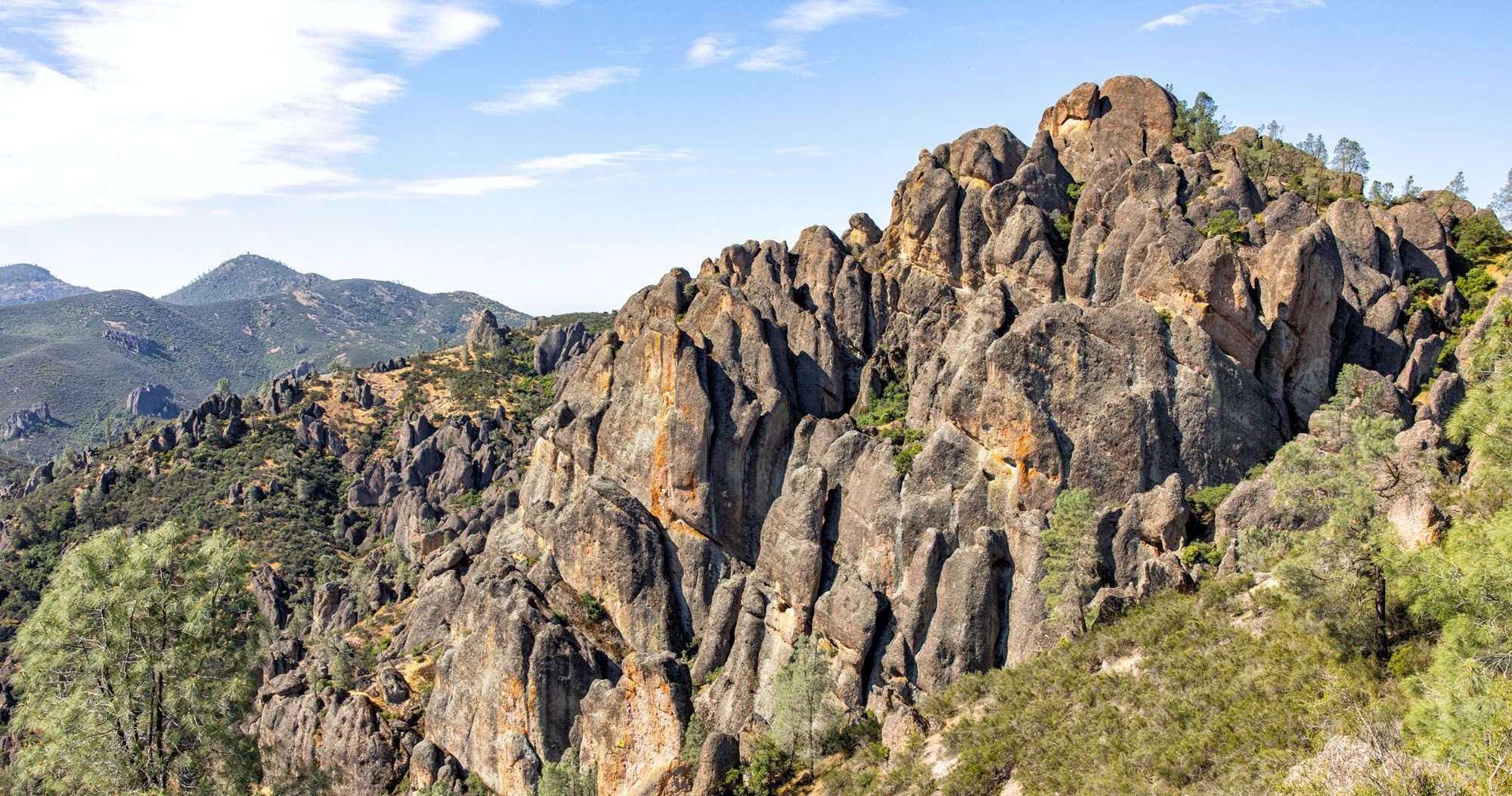
Narrow stairways carved directly into 23-million-year-old volcanic rock lead to panoramic ridgeline views; primary California condor spotting zone in the park.
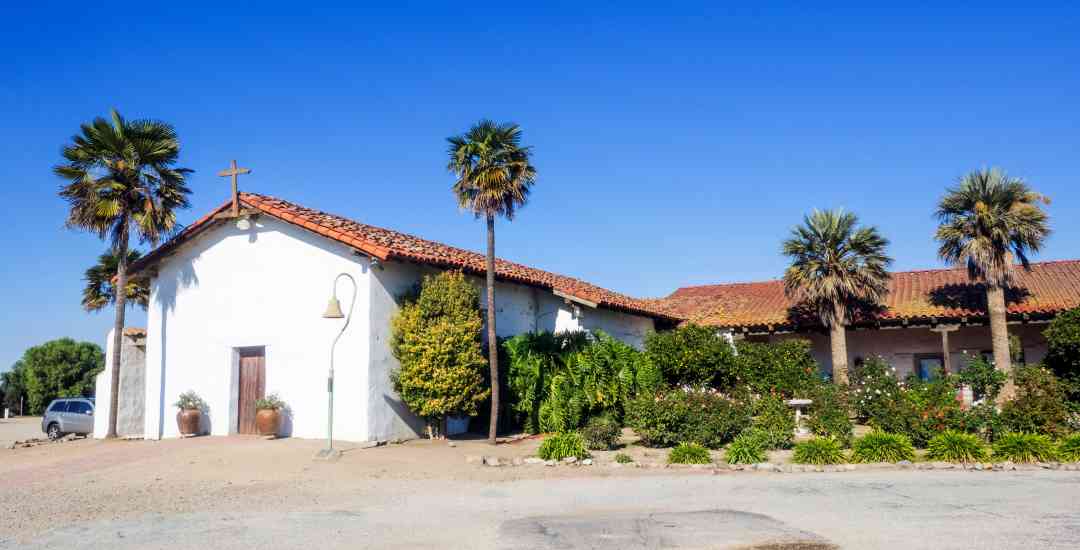
Spanish mission founded in 1791 near Soledad; one of the 21 California missions, partially restored with a small museum.
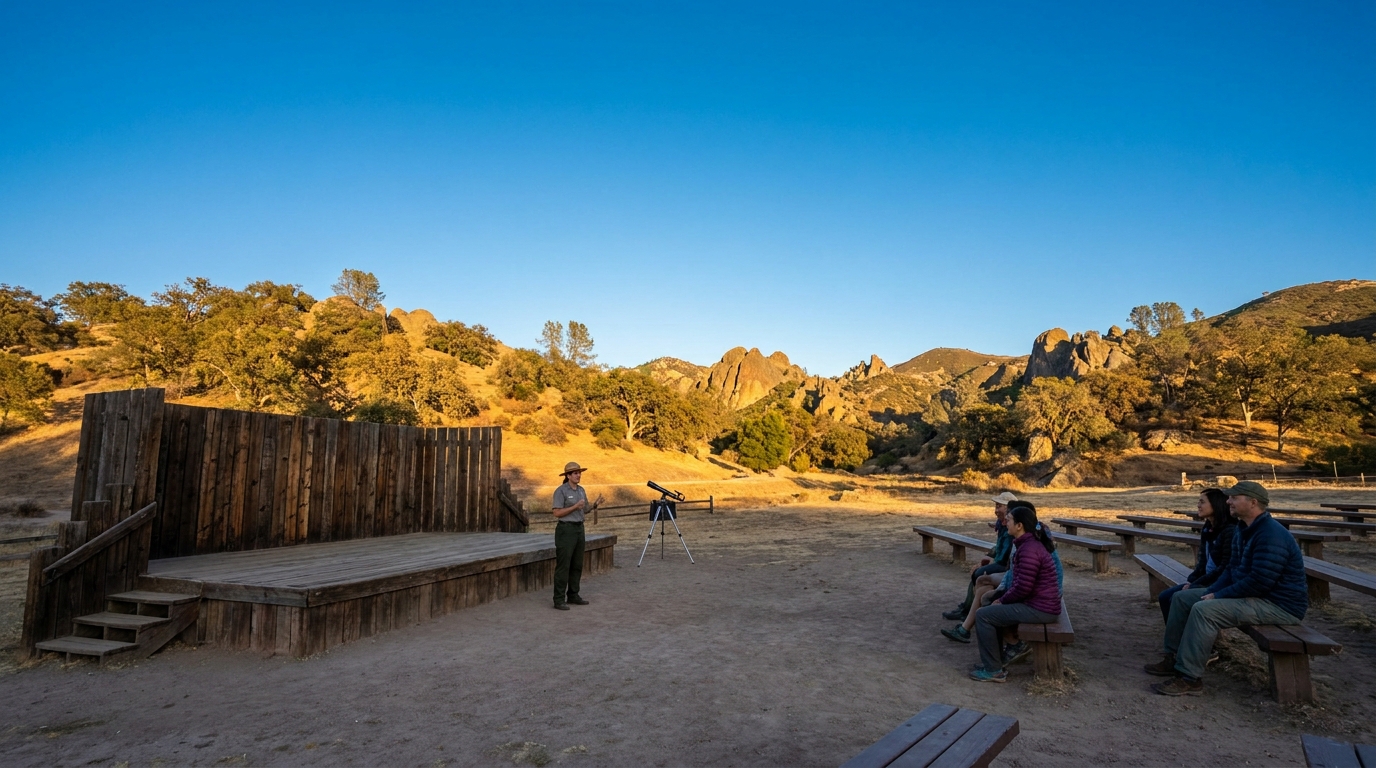
Open-air amphitheater at the east-side campground used for ranger programs and occasional star parties; flat ground with unobstructed sky views.
Flexible, no hidden fees.
Pinnacles National Park charges a non-refundable entrance fee of $30 per private vehicle at the time of entry; no advance booking or cancellation window applies to general park access. If you purchased an America the Beautiful annual pass, it remains valid at all NPS sites regardless of individual visit changes.
Hand-picked options within walking distance — pick a district for vibe, or a specific hotel for convenience.
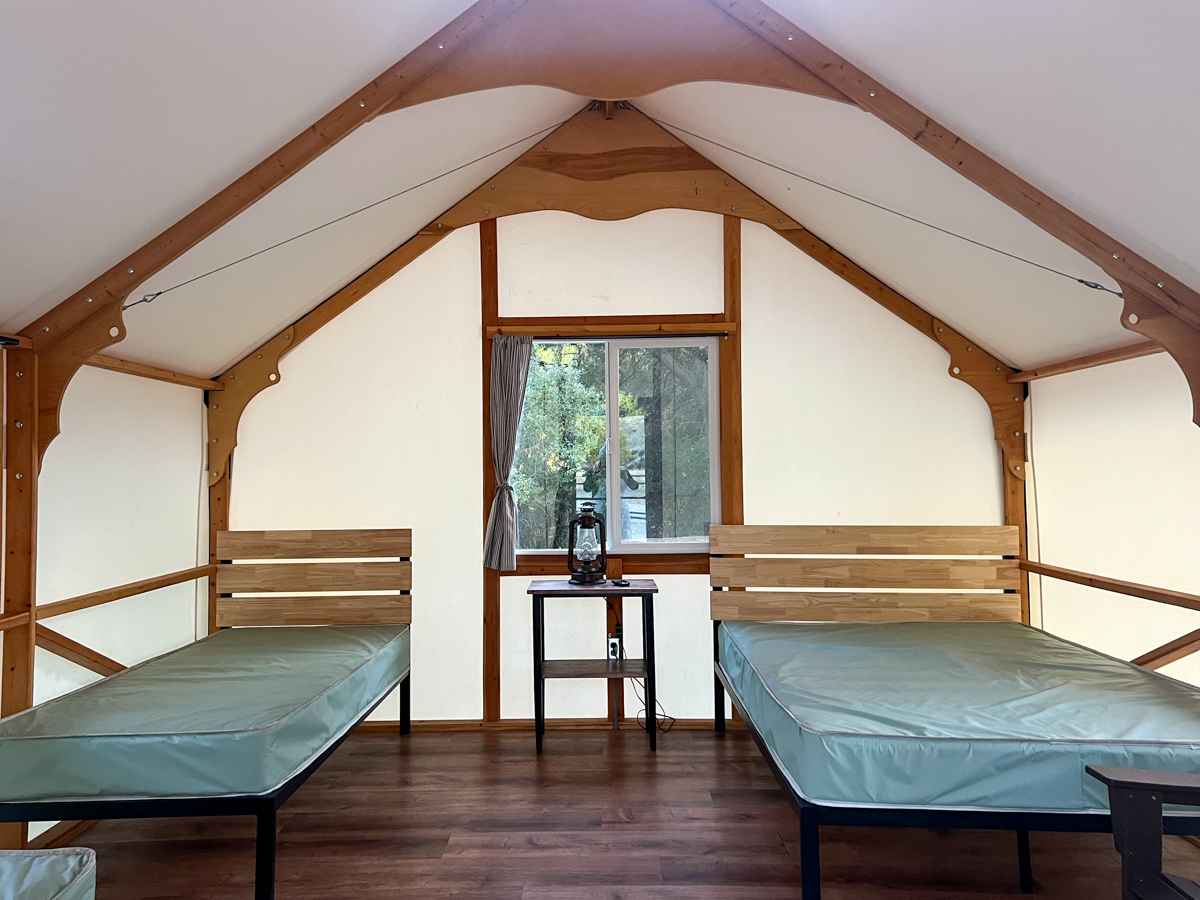
The only accommodation within the park boundary; tent sites, tent cabins sleeping up to 4, and RV hookups on the east side. Book via recreation.gov.
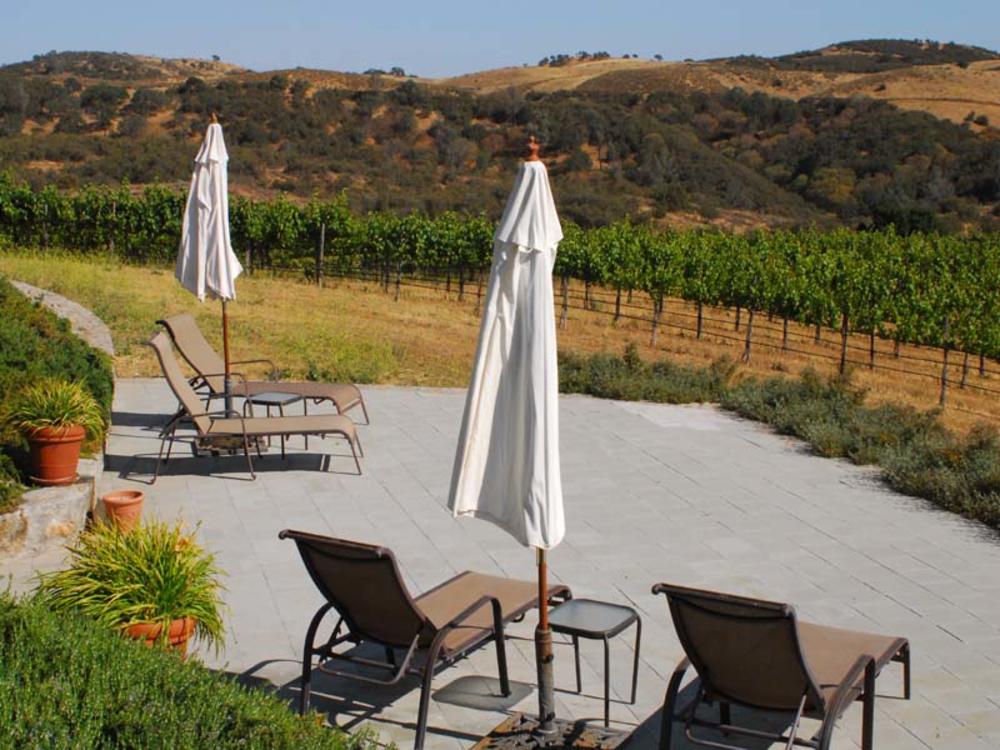
Vineyard bed and breakfast on a 160-acre estate in the Gabilan Mountains, 5 minutes from the west entrance; has hosted Dark Sky Tours.
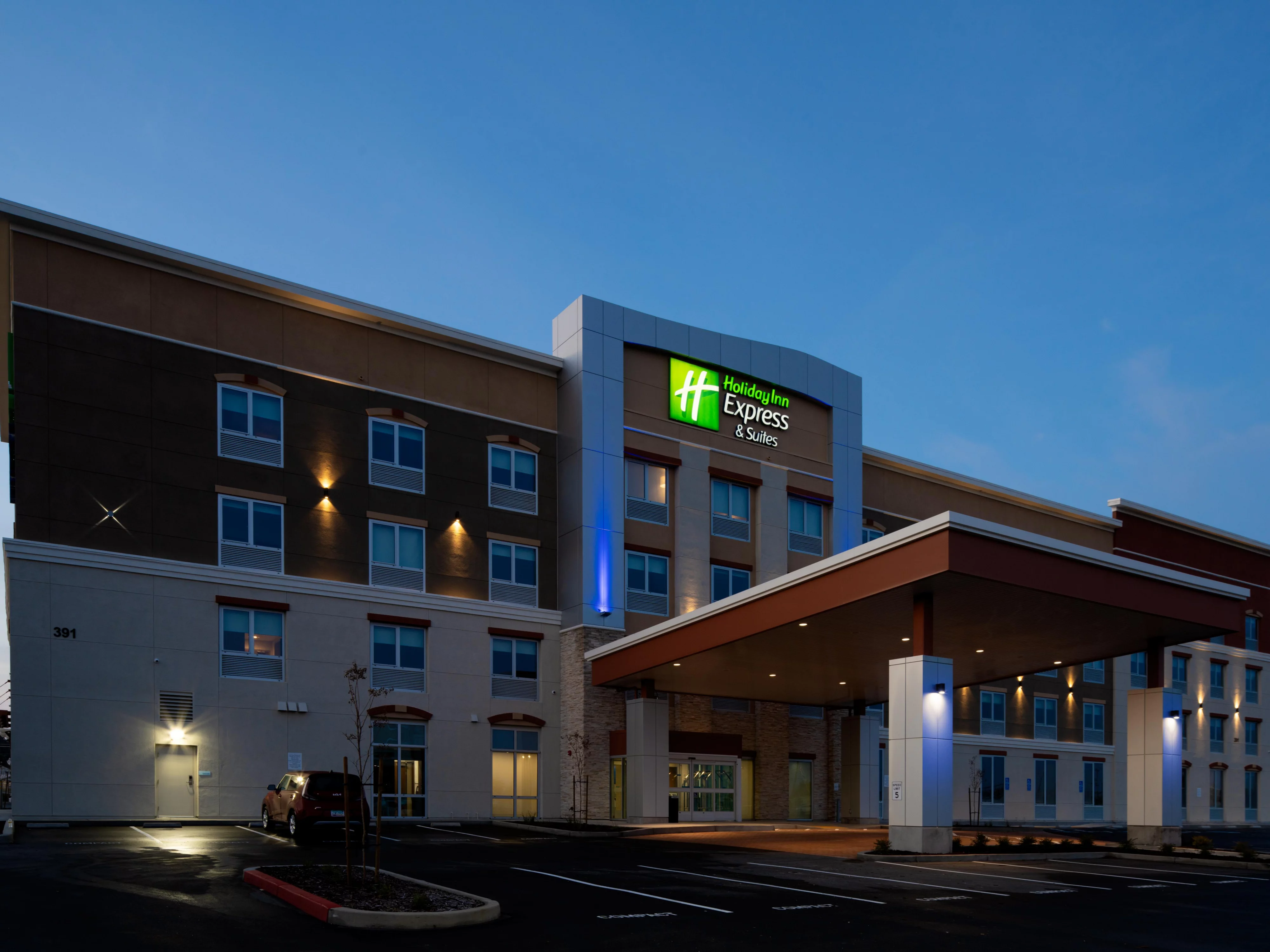
Full-service hotel in Hollister with pool and breakfast; closest branded hotel to the east entrance.
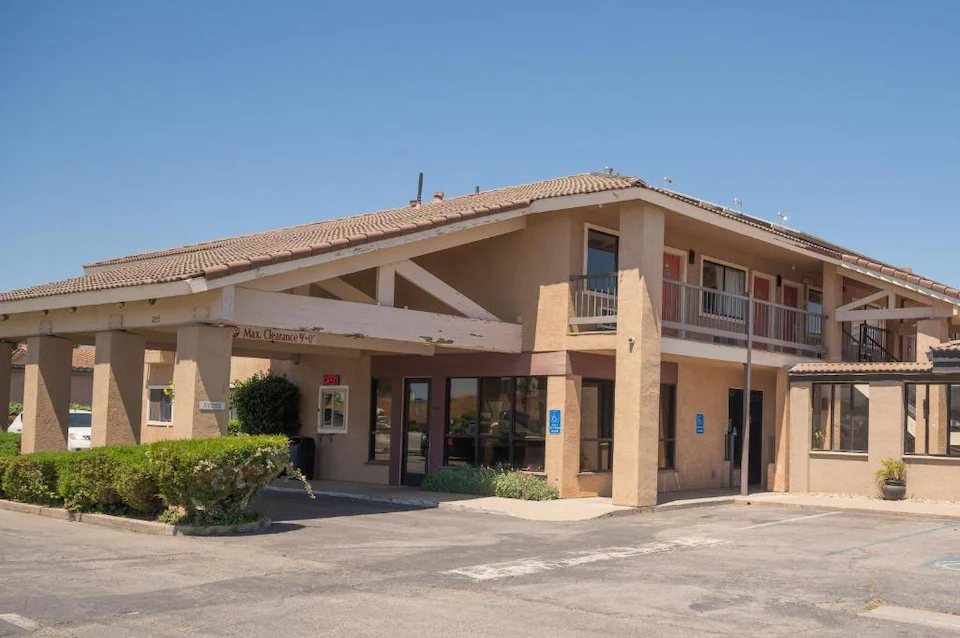
Basic budget motel 10 miles from the west entrance in Soledad along US-101.
Full-amenity Hilton-brand hotel in Salinas with wider restaurant options nearby; suits visitors combining Pinnacles with Monterey Peninsula.
The east entrance at 5000 East Entrance Road, Paicines, CA 95043 is open 24 hours a day, every day of the year — making it the gateway of choice for pinnacles stargazing after dark. The west entrance closes at 20:00, so night-sky visitors should use the east side.
There is no additional fee to stargaze at Pinnacles National Park. The standard park entrance fee of $30 per private vehicle (valid 7 days) covers all stargazing activity; walk-in or bicycle visitors aged 16 and over pay $15 per person. No reservation or separate ticket is required.
The Milky Way season runs from February through October, with the galactic core at its most prominent from late spring through early fall. For pinnacles stargazing, new-moon nights in spring (March–May) combine the darkest skies with mild temperatures and open talus caves, making them the most sought-after dates.
The NPS recommends these east-side locations for night-sky observation: the Peaks View Parking Area, the Bacon Ranch open area, and the Day Use Area behind the Campground and Park Store. On the west side, the Chaparral Parking Area is the primary dark-sky spot — though the west entrance closes at 20:00.
Peaks View Parking Area and the Bacon Ranch area are both flat, open, and reached by car with minimal walking from the parking lot, making them the most accessible options for visitors who prefer to stargaze without a trail hike at Pinnacles National Park.
Bring a red-filtered headlamp (never white light), layered warm clothing, at least 2 liters of water per person, food and snacks (no stores open late), binoculars or a telescope if available, and an offline park map — cell service is very limited inside the park.
Pets are permitted at Peaks View Parking Area and the Bacon Ranch stargazing zone, which are within 10 feet of paved roads. Pets must remain on a leash and may not be left unattended. They are not allowed on unpaved hiking trails at any time.
Pinnacles stargazing is open to all ages; minors must be accompanied by an adult at all times. The Peaks View Picnic Area requires no hiking and is the top family-friendly dark-sky spot. Plan to arrive around 21:00 and allow 20–30 minutes for eyes to adjust.
The $30 vehicle entrance fee is collected at the gate and is non-refundable. No advance booking is required for general park access, so there is no cancellation window — simply pay on arrival or purchase online at recreation.gov before your visit.
From San Jose (~80 miles), take US-101 S to CA-25 S through Hollister, then turn west on CA-146 to the east entrance — approximately 1.5 hours. From San Francisco (~130 miles), follow the same route via CA-85 S to US-101 S; allow about 2.5 hours. There is no public transit that reaches the east entrance directly.
Astrophotography is fully permitted throughout the park for personal non-commercial use. Tripods may be set up at all open parking areas and picnic zones. Use only red-filtered lights near other observers, and note that the Peaks View Parking Area is rated Bortle 2–3 to the south — among the darkest accessible sites for astrophotography near Central California.
Rangers periodically lead public night-sky programs at Pinnacles National Park, including telescope viewing events co-hosted with local astronomy clubs such as MIRA (Monterey Institute for Research in Astronomy). Check the NPS events calendar at nps.gov/pinn for upcoming scheduled astronomy nights, as these informal pinnacles stargazing tours are not offered on a fixed weekly basis.